


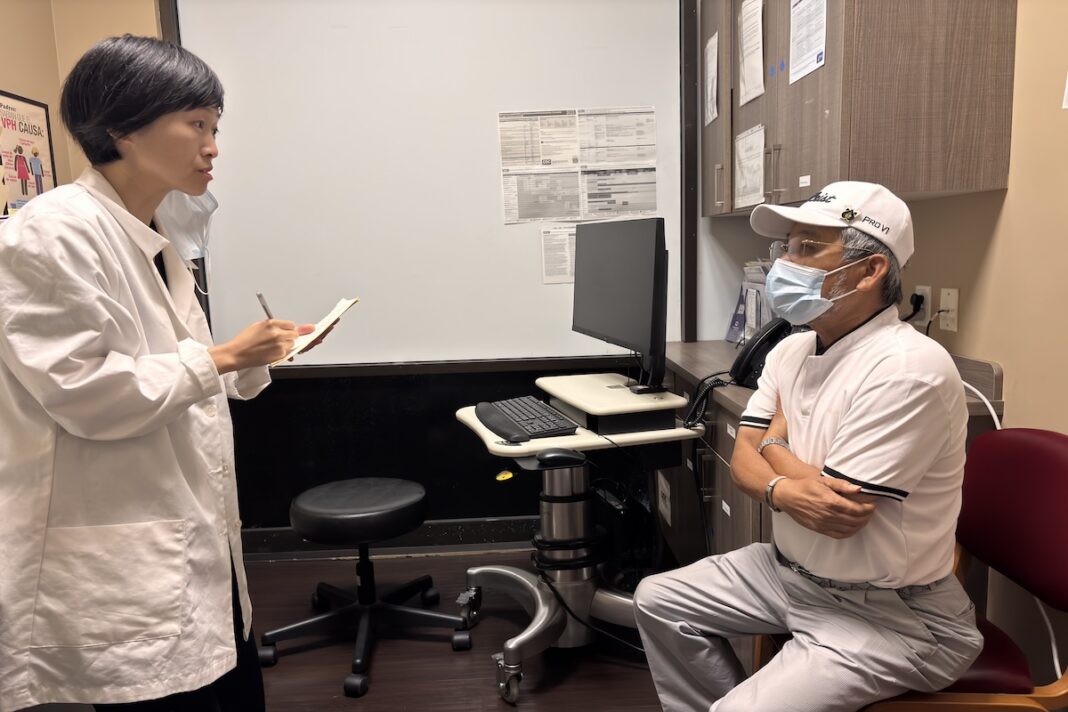
LOS ANGELES — More low-income and immigrant patients in Los Angeles’ Koreatown are delaying health care because of concerns over medical costs. This comes amid increasingly stringent Medi-Cal eligibility reviews and restrictions on new enrollments.
The new rules, along with the closure and consolidation of services at health clinics countywide, are fueling fears of a widening health care gap for vulnerable communities.
The most pressing concern is delayed treatment, according to Kheir Clinic, which provides community health services in Koreatown. Patients uncertain about their insurance status or who receive unexpected medical bills often postpone doctor visits even when they have symptoms, said clinic officials.
For those who need cancer screenings and follow-up care, chronic disease management for diabetes or high blood pressure, or essential prescription medications, such delays can increase the risk of worsening health. Medical experts say delayed preventive screenings can also lead to later detection of cancer or chronic illness. This ultimately results in emergency room visits or more expensive treatment.
Federal and state policy changes — including Medicaid work requirements and more frequent eligibility redeterminations — could mean up to 2 million Californians will lose their health coverage, according to the state’s Legislative Analyst’s Office.
Key safety net provider
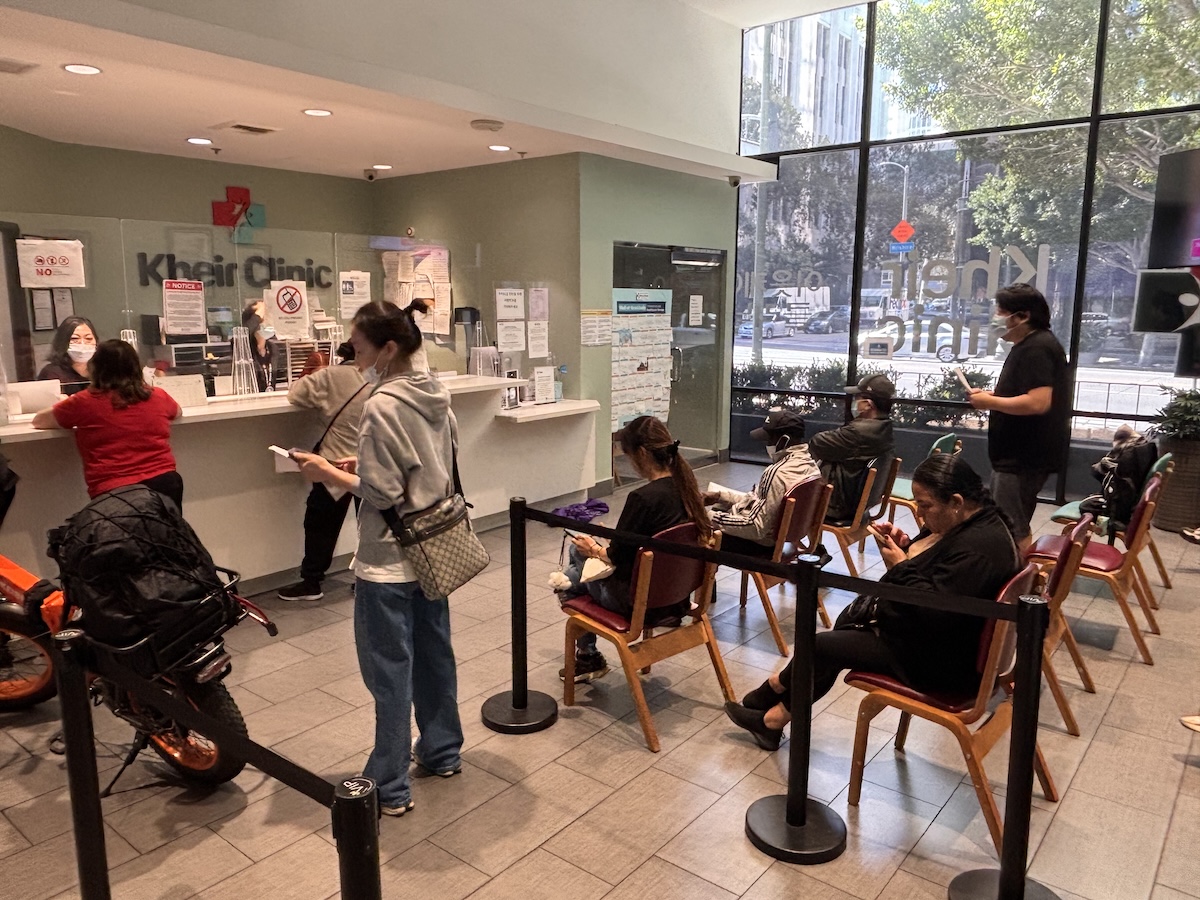
Kheir is a federally qualified health center (FQHC) and a key safety-net provider for low-income and immigrant patients in Koreatown. It offers medical care and counseling in five languages: English, Korean, Spanish, Thai and Bengali.
The clinic has 23,275 registered patients and recorded nearly 100,000 patient visits last year. Koreans make up nearly half (43%) this total, the overwhelming majority (93%) of whom are low income. Some 66% of patients also need language services other than English.
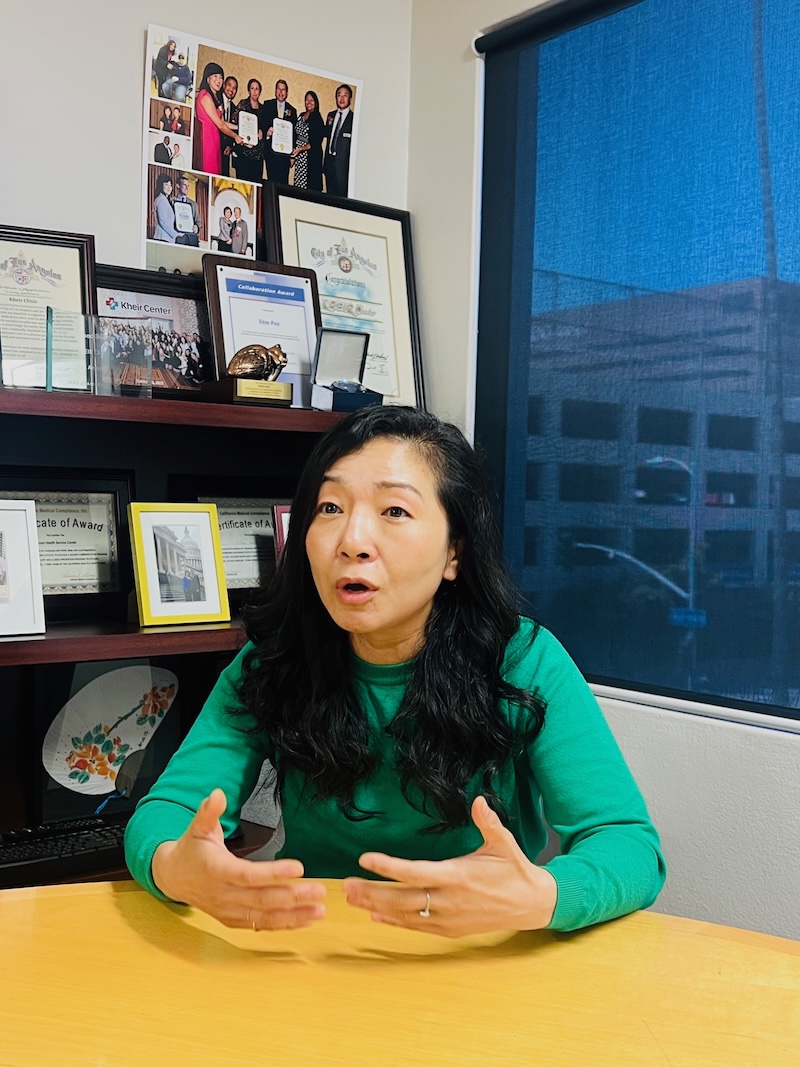
Eunha Choi is vice president of administration and development at Kheir. She said many of the clinic’s patients struggle when materials including renewal notices are sent in English only.
“We continue to tell patients that if they receive any notice or letter related to Medi-Cal eligibility, they should not ignore it and should immediately seek help from a professional counseling organization,” she explained.
Confusion over tighter eligibility rules
Confusion has also grown over new restrictions on Medi-Cal eligibility for undocumented immigrants. California spent nearly a decade working to expand coverage to all residents regardless of immigration status. Those efforts led to a steep drop in the number of uninsured people in the state.
But starting in January 2026 new restrictions froze enrollment for undocumented residents aged 19 and older. Reporting shows a steep drop in Medi-Cal enrollees during the last half of 2025, mostly among undocumented immigrants.
James Ahn is director of Kheir’s Patient Resources Department. He says about 100 cases have been reported this year involving applicants or renewing members who appeared to meet eligibility requirements but were denied approval or had their benefits restricted.
“We are contacting the Los Angeles County Department of Public Social Services (DPSS) directly to confirm their situations and help resolve problems, including eligibility reviews,” Ahn said.
Medi-Cal is a public health coverage program for low-income residents whose income is at or below 138% of the federal poverty level. This year, the income limit is $22,025 for a single-person household and $45,540 for a family of four. Eligible members can receive full-scope benefits, including outpatient and hospital care, prescription drugs, vaccinations, mental health services, pregnancy and childbirth care, dental care and vision services.
However, if errors occur during eligibility determinations, full-scope benefits can be reduced to restricted emergency Medi-Cal. In that case, coverage is limited to emergency care and pregnancy-related services, restricting access to regular doctor visits, tests, prescriptions and preventive care. Providers say such changes have left patients uncertain about whether they can seek medical care at all.
Loss of coverage
In practice, those administrative errors can quickly turn into medical bills. Young Hee Park, 61, received notice last November that her Medi-Cal renewal had been approved. A month later, she was told her eligibility had been canceled because her annual income had been miscalculated. The hospital then billed her directly for $830 in breast cancer screening costs.
Park, who has limited English proficiency, received help from Kheir, resubmitted her income documents and went through the appeal process. Her full-scope benefits were restored, and the bill was processed through insurance.
“I thought my renewal had been approved, so I was shocked when I suddenly heard that my eligibility had been canceled,” Park said. “It was hard to know where to call on my own.”
Demand spikes as services are cut
The closure and consolidation of services at seven Los Angeles County public health clinics are also adding pressure to the safety net. The county Department of Public Health said in February that it would end or consolidate services at seven public health clinics. It cited financial strain caused by a $50 million reduction in federal, state and local grants and contract revenue.
Patients who used those clinics must now find other providers for basic services, including primary care, vaccinations, chronic disease management and benefits counseling.
Kheir said demand for counseling has sharply increased. The clinic now assists an average of 60 to 100 people a day in person with Medi-Cal enrollment, eligibility loss, DPSS food assistance and other services.
Choi said the number of visitors has increased in recent months, prompting Kheir to expand staffing in its Patient Resources Department by 25% to 30% and extend hours, including Saturday care.
“We monitor patient visits and counseling numbers every day to track changes in demand,” Choi said.
Kheir is urging patients to keep DPSS notices, Medi-Cal application or renewal documents, and income verification records. If they suspect a change in benefits or do not understand a notice, they should seek help immediately. At a time when access to care is becoming more unstable, reviewing notices and seeking early counseling are the first steps in preventing gaps in treatment.