


CARSON, CALIFORNIA — My name is Joseph Gafataitua Fa’avae, and I’m a 47-year-old Samoan American who grew up in Carson, California.
To many, Carson is just another city in Los Angeles County, but to my Samoan community and me, it’s home — a place where our roots run deep, where our culture thrives and where memories are made.
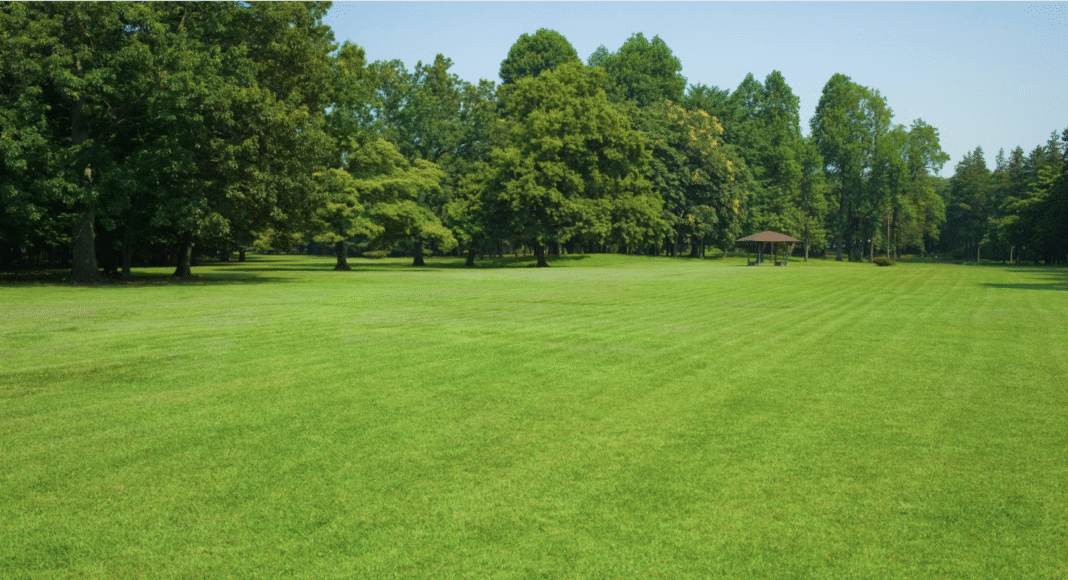
At the center of it all is James M. Foisia Park, a place that holds more than just grass and playgrounds; it holds our stories, our struggles and our triumphs.
Carson in the 1980s and 1990s was a melting pot, but for us Pacific Islanders, it was a sanctuary. My parents emigrated from Samoa in the 1960s, seeking a better life. Like many Samoan families, we settled in Carson because of its tight-knit community, a place where uncles, aunties, and cousins were lifelines.
Back then, life wasn’t easy. Money was tight, and my parents worked multiple jobs just to keep food on the table. But no matter how hard things got, weekends at Foisia Park (formerly known as General Scott Park, as we called it at the time) made everything better. It was our gathering place, our malae (traditional meeting grounds) away from Samoa.
Every weekend, families would haul in coolers full of palusami (taro leaves in coconut cream), panikeke (Samoan pancakes), pisupo (canned corned beef) and fa’i (boiled banana). The smell of barbecue would fill the air as uncles manned the grills, laughing and telling stories in Samoan. The elders would sit under the shade trees, gossiping and watching over the kids, while us younger ones played football, basketball or swam at the pool until the sun went down.
Foisia Park wasn’t just for celebrations. It was where we turned to in tough times, too. When a family lost a loved one, we gathered there for fa’alavelave (traditional ceremonies). When young men got into trouble, the elders would sit them down under those same trees and remind them of their responsibilities, and Fa’a Samoa cultural traditions. This park was our classroom, our church, and our village.
As a kid, I grew up being the seventh out of ten kids in the neighborhood. I was always the little brother of one of my many older siblings.
But at Foisia Park, I never had to explain myself. Here, I was just Lil Joe — part of something bigger. I learned how to throw a spiral from my cousins on these fields. I had my first crush on a girl who played on the opposing baseball team. I even got into my first fight near the tennis courts (and got chewed out by my Grandma Fuatele afterward).
When I was a teenager, the park became a battleground that shaped us all for better or for worse. It became where we felt that it was ours to roam and protect. We weren’t just playing games anymore. Every loss we felt like we were representing our families. As distorted as that sounds to outsiders, it made all the sense to us at the time and it felt like Foisia Park was our universe.
Now, at 47, I bring my own nieces and nephews to Foisia Park. Some things have changed — there’s a new playground, more security and the old barbecue pits have been replaced. But the soul of the place is the same. I watch my nephew play flag football where I once did, and it hits me: This park is a bridge between generations.
The Samoan community in Carson isn’t as big as it used to be; many families have moved to Utah, Texas, Las Vegas or back to the islands. But Foisia Park remains a gathering spot for those of us still here. We still host fundraisers and celebrate an annual Samoan Heritage Festival, but most of all we still laugh, cry and reminisce about the good old days.
For decades, this park has been the one place where we can be unapologetically be Samoan. In a country that often overlooks Pacific Islanders, this park reminds us that we belong and we are seen. It’s where we pass down our language, our traditions, and our values.
When I stand there now, I see my cousin Lebo’s face and the many close friends that I’ve lost along the way sitting under the trees. I hear my older sister’s laughter as they jump off the swing set. I see my younger self and my boys swimming for hours. This park is our legacy.
And as long as there’s a Samoan left in Carson, James M. Foisia Park will always be home.
This story was produced by American Community Media in collaboration with the Laboratory for Environmental Narrative Strategies (LENS) at UCLA as part of the Greening American Cities initiative supported by the Bezos Earth Fund. Read more stories like this by visiting the Greening Communities homepage.