


By Macy Yang | Hmong Daily News
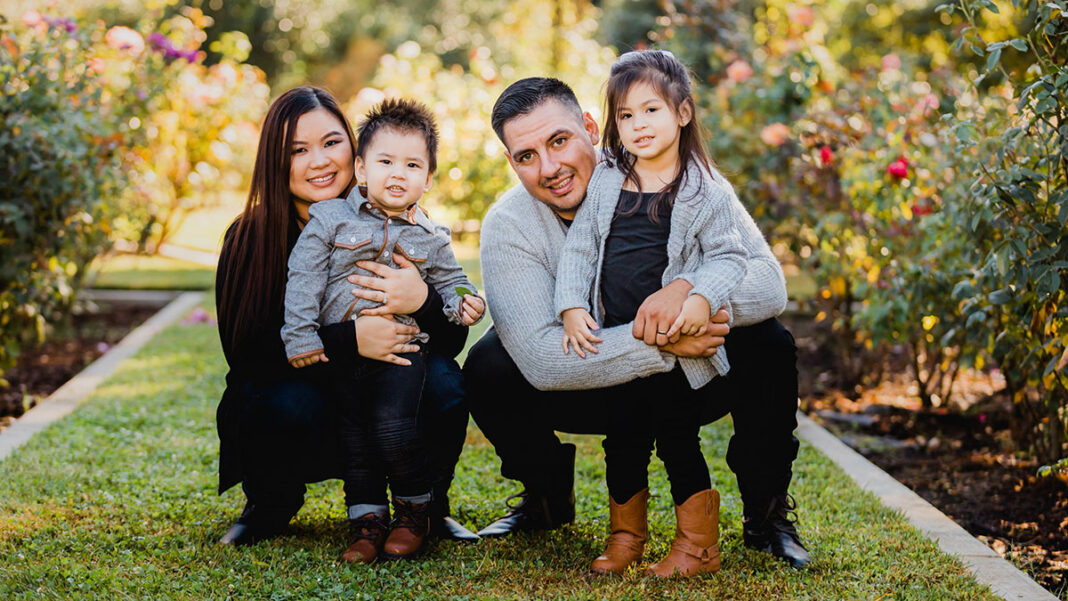
Twelve years ago, when Priscilla met Jose, they were teenagers in high school. Jose’s best friend and Priscilla’s cousin were friends. On their first date, they went to see Kung Fu Panda. “I took my younger cousin with me just in case I needed a reason to leave the date,” recalls Priscilla, adding that Jose did not mind that her cousin came along.
Priscilla is a first-generation Hmong American. Both her parents are Hmong refugees from Laos. The Hmong and other ethnic minorities were recruited to fight alongside the CIA against the communists during the Vietnam war. In 1975, the Hmong fled Laos when the Vietnam war ended and the communists seized power in Laos. Staying in Laos meant persecution and death for the Hmong people because of their involvement with the U.S.-backed, decade-long Secret War.
Priscilla grew up surrounded by her mother’s large extended family, yet she experienced a loss of culture and language as her own family assimilated into America.
Jose, on the other hand, was born in the U.S. “My mom is Mexican and German, and my dad is Mexican and Yaqui Indian,” says Jose. “My mom’s reality was different from our’s. My grandparents insisted that my mom learn how to speak Spanish and adopt the Mexican culture as her primary culture because she married into their family,” said Jose.
“My sisters and I grew up Americanized, with my dad listening to Oldies and watching Western films with us. We were never taught Spanish even though my mom and dad spoke it. I hated it when people would say I was ‘part White’ because my dad’s side of the family made it seem like that was bad,” Jose adds.
“What initially brought us together,” says Priscilla, “was the genuineness that I saw in Jose – he was respectful and honest.”
“Jose’s mom emphasized being respectful, especially toward women, and I believe that always stuck with him,” Priscilla said. She later learned that Jose had five older sisters; he was the youngest and only son. That explained his mom’s emphasis on being respectful toward women.
Jose sees Priscilla as “someone that you meet once in a lifetime. She is very smart and beautiful, and she saw me for who I could be. She motivated me to want to be a better person and I was willing to go through any obstacles to be with her.”
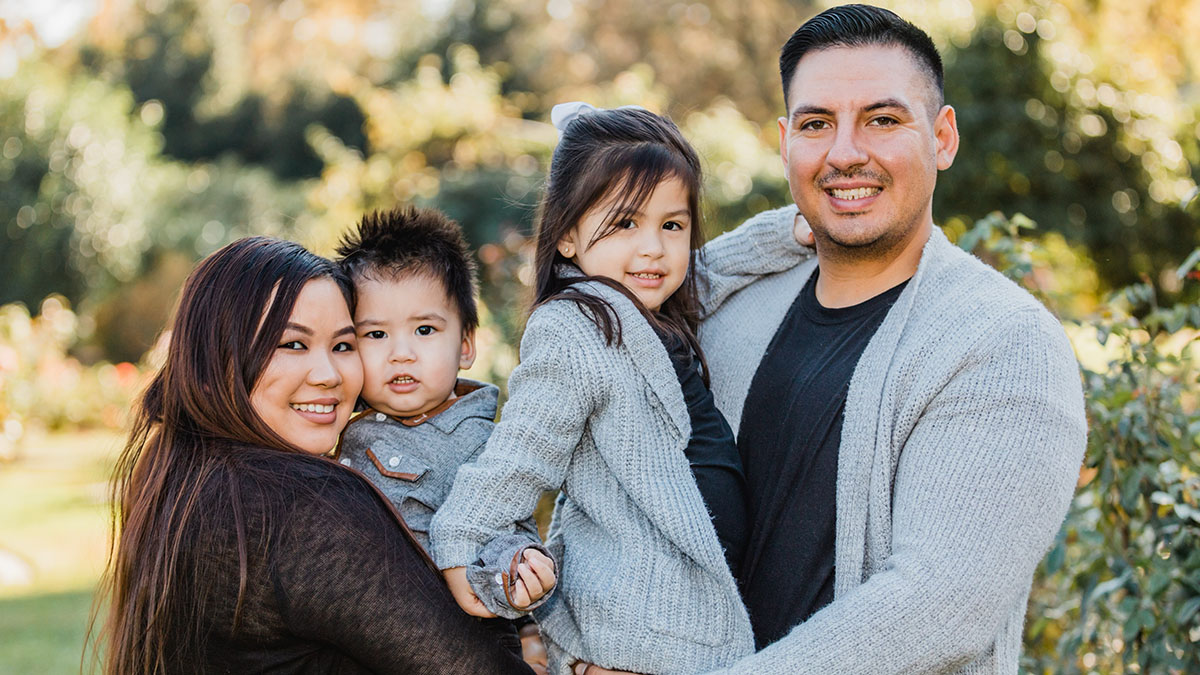
The Gamezes, who now have three children, said that they do not see their household as being different, in part because there are so many variations of what a household looks like today. “Now families are whatever you want them to look like as long as it works for you, so I really feel like interracial families can’t be treated as ‘different’ or ‘non-traditional’ any more. When I look at my husband, I see a man I love and care for. I see a great provider, protector and father who always puts his children and my needs first.”
Eventually, the Gamezes want their children to understand that, although they are American, they are minorities in America. One thing they wish for is to gain more knowledge of their own and each other’s cultures so they can educate their children to be proud of their heritage.
“One day Priscilla brought home rice patties from her parents,” Jose said, “and the kids didn’t want to try them. I took the opportunity to try something new from the Hmong culture with my kids so they would know although I am not Hmong, I enjoy things from the Hmong culture.”
Being in a mixed relationship does create one complexity in their marriage, says Priscilla, which is “what to make for dinner?”
“My husband grew up eating Mexican food all the time. He’ll eat Asian food but isn’t a fan of the more traditional Hmong dishes. If it were up to me, we’d eat Hmong food all the time,” she adds with a laugh.
The happiness that the Gamezes feel has nothing to do with being in a mixed relationship, they said. It comes from the love they have and the way their personalities complement each other.
“I get irritated more quickly than my husband who is always very calm and in control of his emotions,” said Priscilla. “He keeps me grounded when I get worked up over things that, looking back, shouldn’t have made me angry. He balances me out and helps me view things from a different perspective.”
“In Mexican culture, gender roles are very apparent,” Jose said. “It’s similar in the Hmong culture too. But what I enjoy in our relationship is that we see each other as equals. I’ll grocery shop on the weekends, and Priscilla will pull out the trash cans if she knows I’m getting home late.”
The Gamezes said that they do not see their household as being different, in part, because there are so many variations of what a household looks like today.
“Households today can have two moms, two dads, adopted kids, stepparents, and step-kids. Family structures have strayed away from the ‘traditional’ same-race, mom, and dad, plus kids from the same parents,” Priscilla said.
Further adding that “Now, families are whatever you want them to look like as long as it works for you, so I really feel like interracial families can’t be treated as ‘different’ or ‘non-traditional’ anymore. When I look at my husband, I see a man I love and care for. I see a great provider, protector, and father that always puts his children and my needs first.”
Jose says that because of his own childhood, he accepts Priscilla’s culture and would always want his children to know that he respects and celebrates their mom for who she is even if she is a different ethnicity from him.
“One day Priscilla brought home rice patties from her parents,” Jose said, “and my kids didn’t want to try them. I took the opportunity to try something new from the Hmong culture with my kids, so they know that although I’m not Hmong, I enjoy things from the Hmong culture.”
One thing the Gamezes wishes for is to gain more knowledge of their own culture so they could educate their children about who they are and be proud of their heritage.
Being in a mixed relationship does create one complexity in their marriage, says Priscilla, which is, “what to make for dinner?”
“My husband grew up eating Mexican food all the time. He’ll eat Asian food but isn’t a fan of the more traditional Hmong dishes. If it were up to me, we’d eat Hmong food all the time,” she adds with a laugh.
The happiness that the Gamezes feel does not have anything to do with being in a mixed relationship, but the love they have and their personalities that complement each other.
“I tend to get irritated more quickly than my husband who is very calm and in control of his emotions. He keeps me grounded when I get worked up over things that, when looking back, the situation shouldn’t have gotten me angry. He balances me out and helps me view things from a different perspective,” said Priscilla.
“In Mexican culture, gender roles are very apparent,” Jose said. “It’s similar in the Hmong culture too, but what I enjoy in our relationship is that we see each other as equals and it works for us. I’ll grocery shop on the weekends and Priscilla will pull out the trash cans, if she knows I’m getting home late.”
The Gamezes have come a long way in the past 12 years, including all the ups and downs, from sharing tears and sadness to the joys of continuing to live life together, taking trips, and raising their children.
Despite differences in their upbringing, Priscilla and Jose do not feel any pressure to adopt one culture over the other, but to embrace and celebrate both their Mexican and Hmong cultures.
This article is part of the Love Across Color Lines series, a collaboration of 20+ ethnic media outlets looking at interracial marriage in California at a time of rising hate. Visit Love Across Color Lines to see more in the series.

