


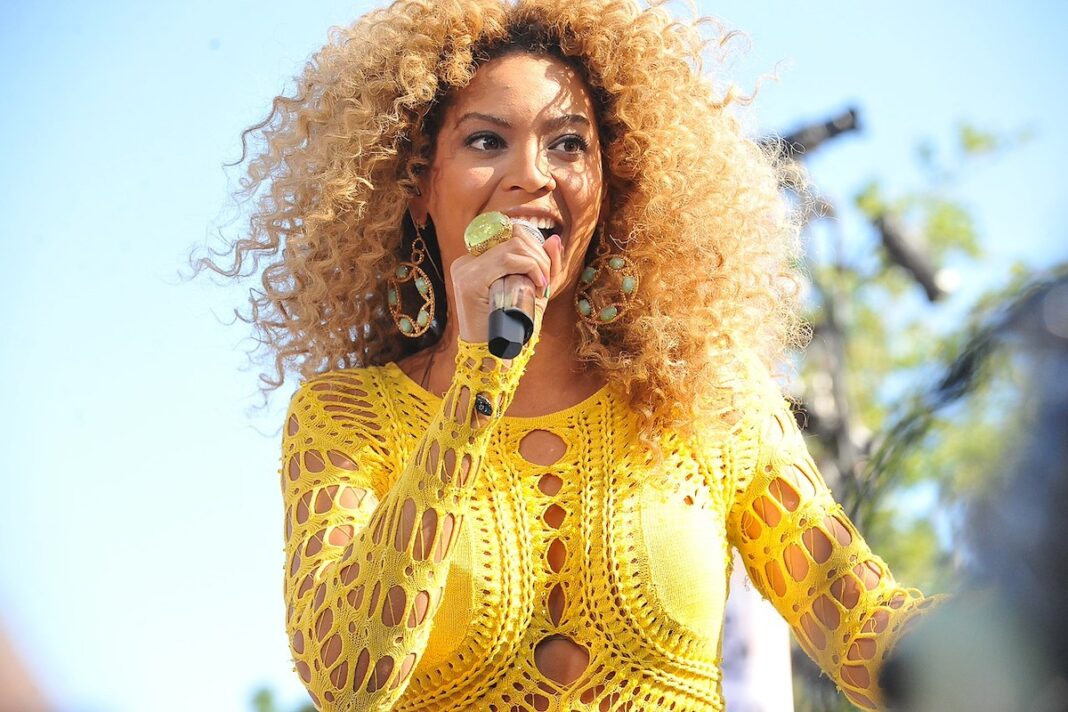
By Stacy M. Brown | The Washington Informer
Beyoncé sent shockwaves through the music industry when she announced the release of the second act of her 2022 album “Renaissance,” slated for a March 29 release. However, the excitement surrounding the news that was hyped during one of the best Super Bowl commercials this year took an unexpected turn as an Oklahoma country radio station, KYKC, rejected a request to play Beyoncé’s new song, asserting that they are a country music station.
The incident has reignited discussions about diversity and representation within the country music scene, prompting a response from Taylor Crumpton, a respected pop culture, music and politics writer. In an op-ed for Time, Crumpton challenges the prevailing narrative that country music is an exclusively white domain.
“The greatest lie country music ever told was convincing the world that it is white,” writes Crumpton, adding that this perception dates to the early 20th century, when Black musicians, who played a pivotal role in shaping country music, were classified under the label of “race music.”
Read the full story at The Washington Informer