

This is the first in a three-part series about anti-Black bullying in Santa Barbara schools. Read Pt. 2 here.
SANTA BARBARA, Calif. – Sometimes Black History Month can be the cruelest month.
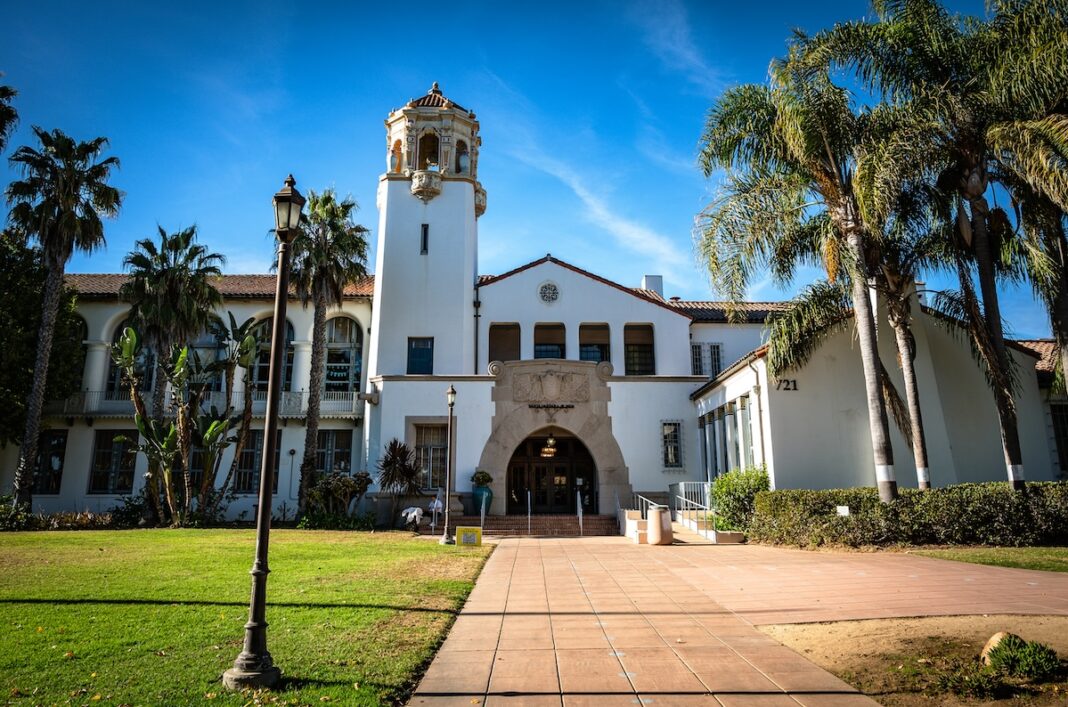
During the same week in February 2022, at two different Santa Barbara Unified School District junior high schools, two 12-year-old Black boys were victims in painful episodes of racist bullying.
SBUSD is being sued by the victims’ mothers, who accuse school officials of not doing more to protect their kids in a city where African Americans have long been an extreme minority.
This is a story studded with cruel ironies.
In June 2020, in response to the resurgence of the Black Lives Matter movement, SBUSD issued a “Resolution in Support of Black Santa Barbara Youth,” stating, “We do not tolerate hate or racism and must respond swiftly and decisively when we encounter intolerance, inequity, and bias on our campuses.”
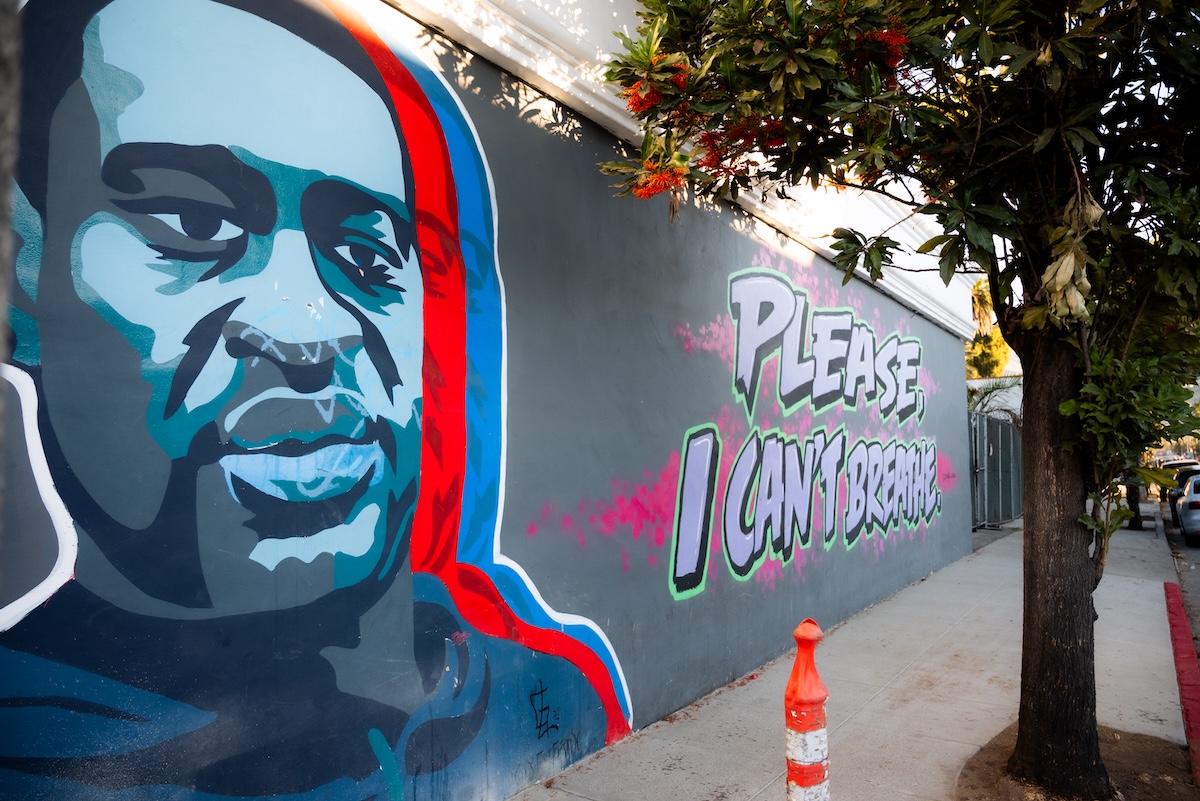
Less than two years later, a Black Santa Barbara Junior High student was assaulted by Latino classmates mimicking the lethal police attack on George Floyd, their knees pressed against the victim’s neck. Within days, a Black La Colina Junior High student was bullied by a white student who made a TikTok video comparing photos of him and other Black students to monkeys and apes. The video, accompanied by an offensive song, was festooned with the N-word.
In their initial court filing, mothers Leeandra Shalhoob and Katherine McCullough argued the attacks were the culmination of a pattern of racist bullying throughout their sons’ years in Santa Barbara public schools. Shalhoob said that despite the district’s proclamations, school officials allegedly acknowledged, “We don’t know how to deal with this.”
Blacks make up less than 1% of SBUSD’s student body, which is majority Latino (61%) followed by white students (31%). Asian American and Pacific Islander, Native American and students of two or more races account for the remainder.
Shalhoob and McCullough initially filed suit against the district in August 2022 seeking reform of SBUSD’s practices and compensation for the toll on their sons. Mediation efforts collapsed in December 2022. In February of this year, they filed a lawsuit in U.S. District Court against SBUSD. The filing requested unspecified damages and a jury trial. The case is still pending.
The mothers allege that despite the schools’ awareness of racist bullying, teachers and administrators failed to intervene, protect their children, adequately inform the parents or provide prompt and effective support for their sons.
“It’s difficult to put a dollar amount on wanting someone to do something right,” said Shalhoob. “I had to learn that often change comes from someone feeling like they had to pay for what they did wrong.”
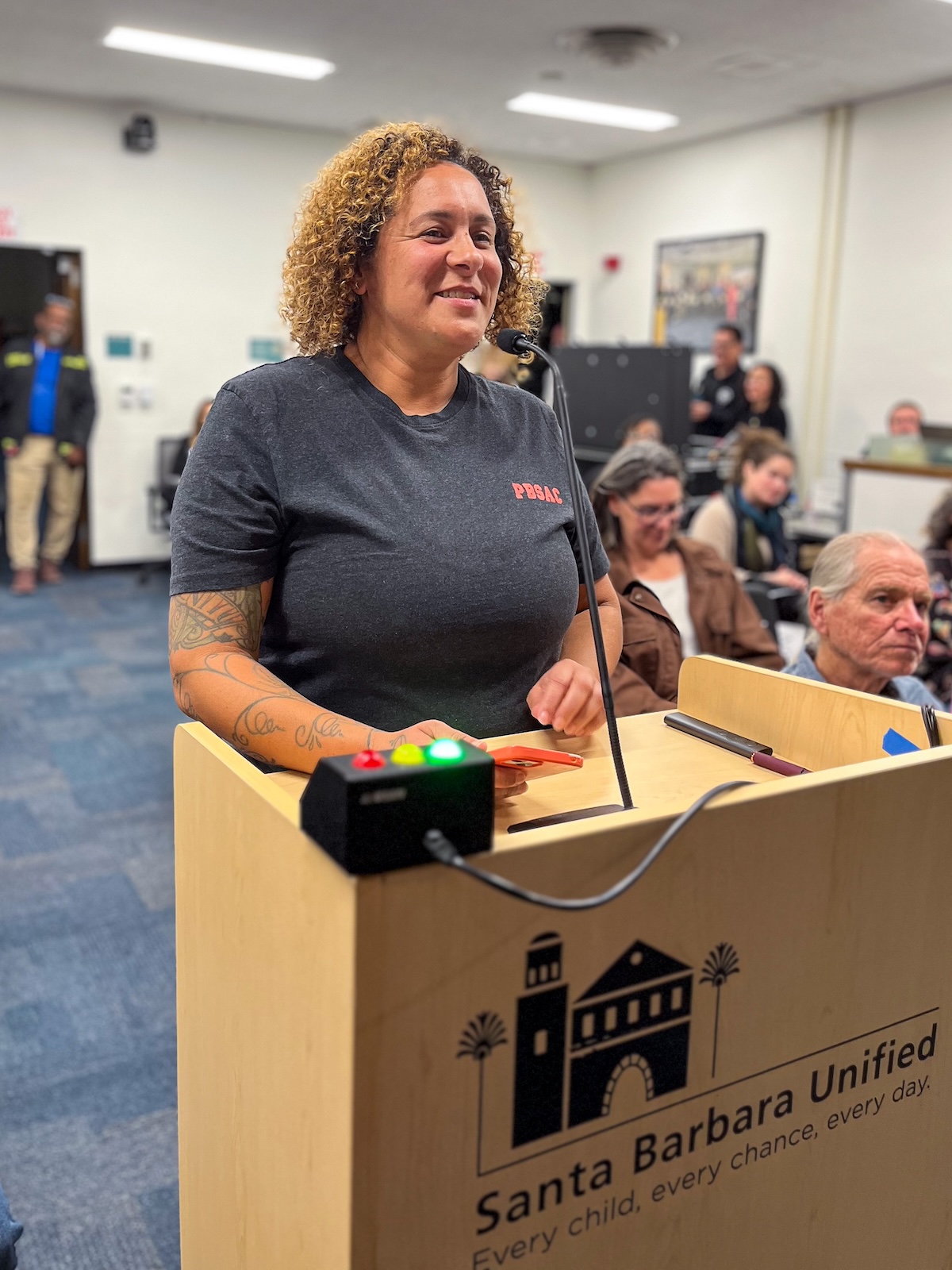
She continued, “But more than anything, I just don’t want anyone at Santa Barbara Unified School District ever again to be able to say, ‘I didn’t know what to do.’”
Not long after the attacks, McCullough said that Gateway Educational Services, a Black women-led nonprofit learning center, and Healing Justice Santa Barbara, a Black women-led nonprofit, organized parents and children that spring to speak out at school board meetings about unchecked anti-Black racism in the SBUSD.
McCullough said, “There was a common outrage at the lack of transparency.”
In addition to complaints from other parents at the school board meetings, students talked about how regularly they were called racist names by their classmates, how they felt seeing racist slurs written on surfaces in the locker rooms, how they were mocked for their appearances and compared to animals.
In response to the public outcry, school board president Wendy Sims-Moten, pushed the district to independently audit the schools’ racial climate.
The district hired an independent auditor to conduct the assessment using surveys and 24 focus groups. The study participants included 585 district and school staff, 888 families and caregivers and 4,694 students. At the time of the audit, from October 2022 to February 2023, there were about 12,500 children enrolled in the district.
Among the April 2023 report’s key findings: students said school staff ignored and therefore normalized racist bullying. “It’s kind of normal to come to school and feel like it’s going to be a racist day today,” a student remarked in a focus group. “Students get in trouble for cursing, but not for using the N-word,” another said.
Staff said they had no clear guidance for how to handle racist incidents. “Santa Barbara staff stated their immediate reaction in response to directly or indirectly encountering racism was to report the event to an acting administrator or supervisor rather than hold space to serve as the first line of defense against racism and anti-Blackness,” the report noted.
Shevon Hoover, who says anti-Black racist incidents have been an “annual occurrence” for her son the past six years, helped organize the push for the climate survey. “The only people that were really surprised [by the findings], I think, was the school district and the administrators, and quite frankly, the white teachers who are completely disconnected,” Hoover said.
About 67% of SBUSD’s teachers are white. According to a focus group summary of school professionals, many “expressed an uncertainty for whether or not their race or whiteness dis/qualifies them as an individual able to lead anti-racist and pro-Black efforts in the district.”
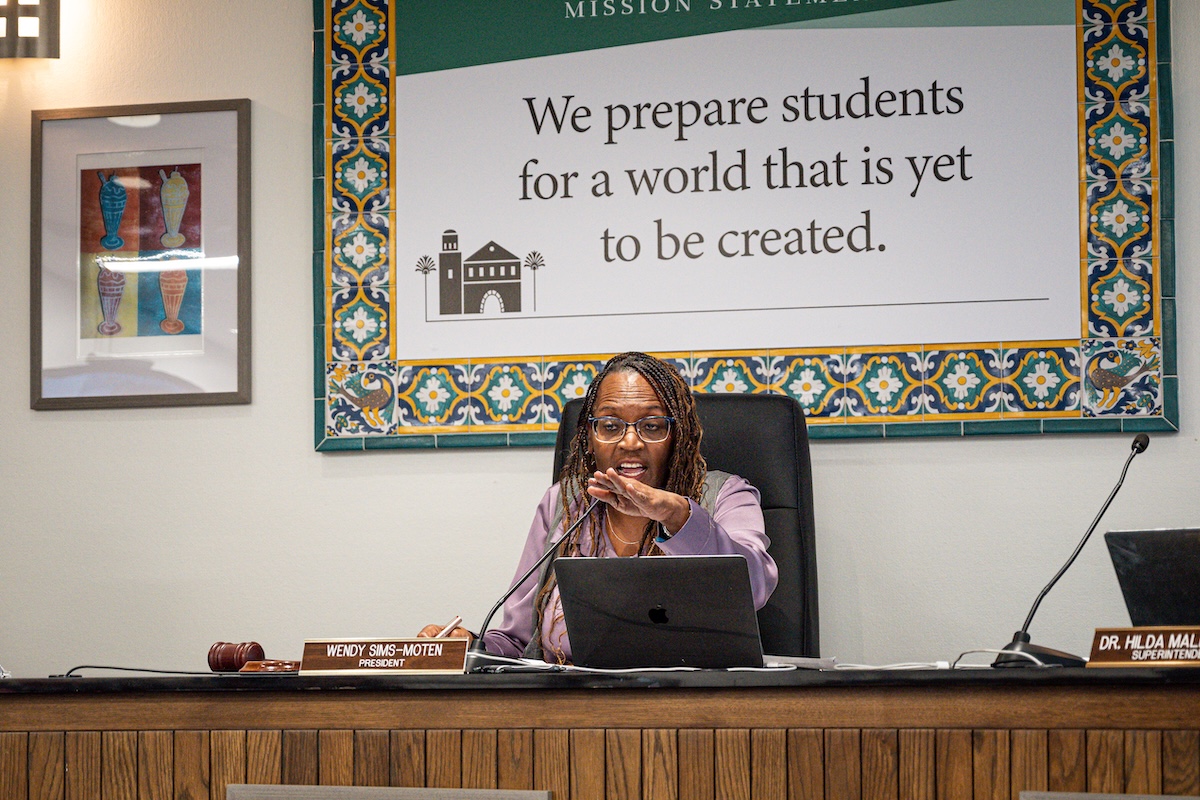
Since the report’s release, the district has been working on several reforms, including an app where students can file reports as soon as something happens and staff training on how to effectively “recognize, respond and report” racist offenses when they happen.
“We now have a policy,” said Sims-Moten. “We have an oversight committee that is helping us guide many of the policies and the responses. And for the first time, we now have a procedure that talks about here’s how you respond. And here’s also how you follow up with families so that they don’t feel left in the dark when these incidents occur.”
Still, for Shalhoob and McCullough, these efforts are too little, too late.
McCullough’s son, who has dyslexia and anxiety, has struggled with serious depression since the racist TikTok video. She said his condition has changed the family dynamic with everyone on edge “because we know that [he’s] not a hundred percent stabilized mentally and emotionally because of the effects of this.”
Two years later, the kid behind that devastating video, and McCullough’s son are both at Santa Barbara High School. So are Shalhoob’s son and the kids who bullied him.
“There’s one main hall at Santa Barbara High School and for a couple of weeks he was dodging the main hall because kids would say, ‘I can’t breathe’ when he walked by,” Shalhoob said. “And still nobody’s doing anything.”
Worst of all, Shalhoob feels she’s failed her child.
“I feel like it’s just taught him like, yeah, that adult might love you to death and might want to make things better for you, but it’s just shown him how, excuse my language, but how f-up the system is.”
The idea that teachers would need special training in how to protect Black kids from obviously damaging situations, like getting called the word that everyone knows is so bad it has its own euphemism or dismissing kneeling on someone’s neck as “horsing around,” enrages her.
“I think that’s what brought me the most anger is because I don’t think you need training to deal with it,” she said. “You just need to be a human.”
This resource is supported in whole or in part by funding provided by the State of California, administered by the California State Library in partnership with the California Department of Social Services and the California Commission on Asian and Pacific Islander American Affairs as part of the Stop the Hate program. To report a hate incident or hate crime and get support, go to CA vs Hate.