


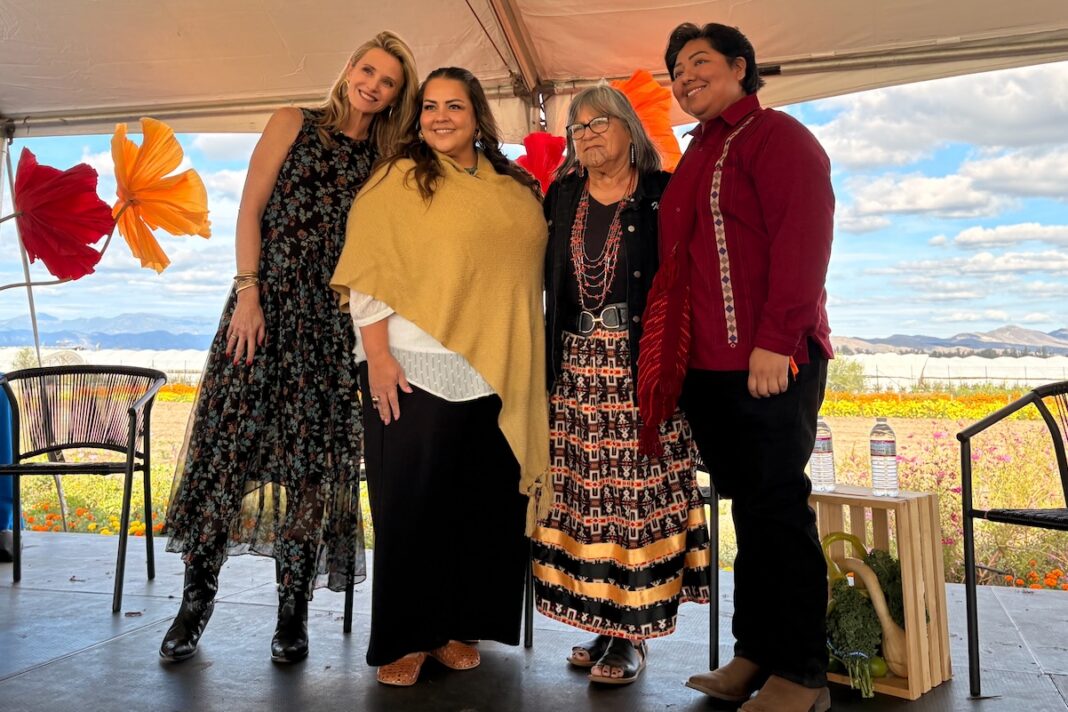

OXNARD, Calif. — As loneliness and social isolation continue to affect communities across California, one initiative is working to bring people together and strengthen the connections that support healthier lives.
On November 18, California Love, California Strong, a program dedicated to combating loneliness and fostering community connections statewide, held its final gathering in Oxnard, California. The event was organized in partnership with Rio Regenerative Farm, a project of the Rio School District that provides students with hands-on agricultural learning experiences.
The gathering comes amid growing concerns about loneliness and its effects on public health. A 2022 study by the Centers for Disease Control and Prevention (CDC), involving more than 236,000 participants from 16 states, found that 32% reported experiencing loneliness. Among those who felt lonely, 16% reported frequent mental distress, defined as experiencing poor mental health for at least 14 of the previous 30 days.
But the consequences of loneliness extend beyond mental health. According to a 2023 report from the Office of the U.S. Surgeon General, poor social relationships, including loneliness and social isolation, are associated with a 29% increased risk of heart disease and a 32% increased risk of stroke. The report also cited research indicating that chronic loneliness and social isolation may increase the risk of developing dementia in older adults by approximately 50%.
During the gathering, California First Partner Jennifer Siebel Newsom expressed concern about the future of younger generations growing up in a world that is more digitally connected than ever, yet increasingly disconnected from one another, “from nature, and from the communities that give our lives meaning,” she said.
Her message resonated with an audience that included students from the Rio School District and members of Monarcas Luchadoras, a youth group from the Coachella Valley affiliated with the nonprofit TODEC Legal Center.
The young members of Monarcas Luchadoras prepared a song to honor Siebel Newsom’s work supporting communities across California.
Addressing the growing need to restore meaningful human connections, Siebel Newsom highlighted the three guiding pillars of California Love, California Strong: self-care, social connection, and service.
She encouraged attendees to embrace self-care by spending time in nature and practicing mindfulness, while fostering social connections through meaningful conversations between younger and older generations that strengthen a sense of belonging and help preserve shared traditions. She also emphasized the importance of service, pointing to the need to recognize and support farmers and farmworkers whose labor nourishes and sustains communities across California.
Together, these three pillars, she emphasized, reflect a broader message at the heart of the initiative: California’s true strength lies not only in its people, but also in their compassion, their connections to one another and their shared commitment to caring for the communities they call home.
The gathering also featured a panel discussion that explored the connection between cultural identity, community well-being, and the land. Panelists included Ana María Lugo of Raising Mami Alchemy, an organization dedicated to providing holistic healing for families; Isabel Melendez Ayala, a member of the Chumash community and the Wishtoyo Chumash Foundation; and Río Lorenzo, a member of the Mixtec community and the nonprofit Mixteco/Indígena Community Organizing Project (MICOP).
For Lorenzo, the relationship between people and the land extends far beyond the physical nourishment it provides, encompassing emotional, spiritual, and collective well-being.
“The land itself is able to provide health. The land itself is able to provide happiness if we take care of her,” Lorenzo said. “It not only takes care of our bodies; it takes care of our mind and our soul and our spirit. So, I encourage all of you to learn about the land that you’re standing on and be grateful to her.”
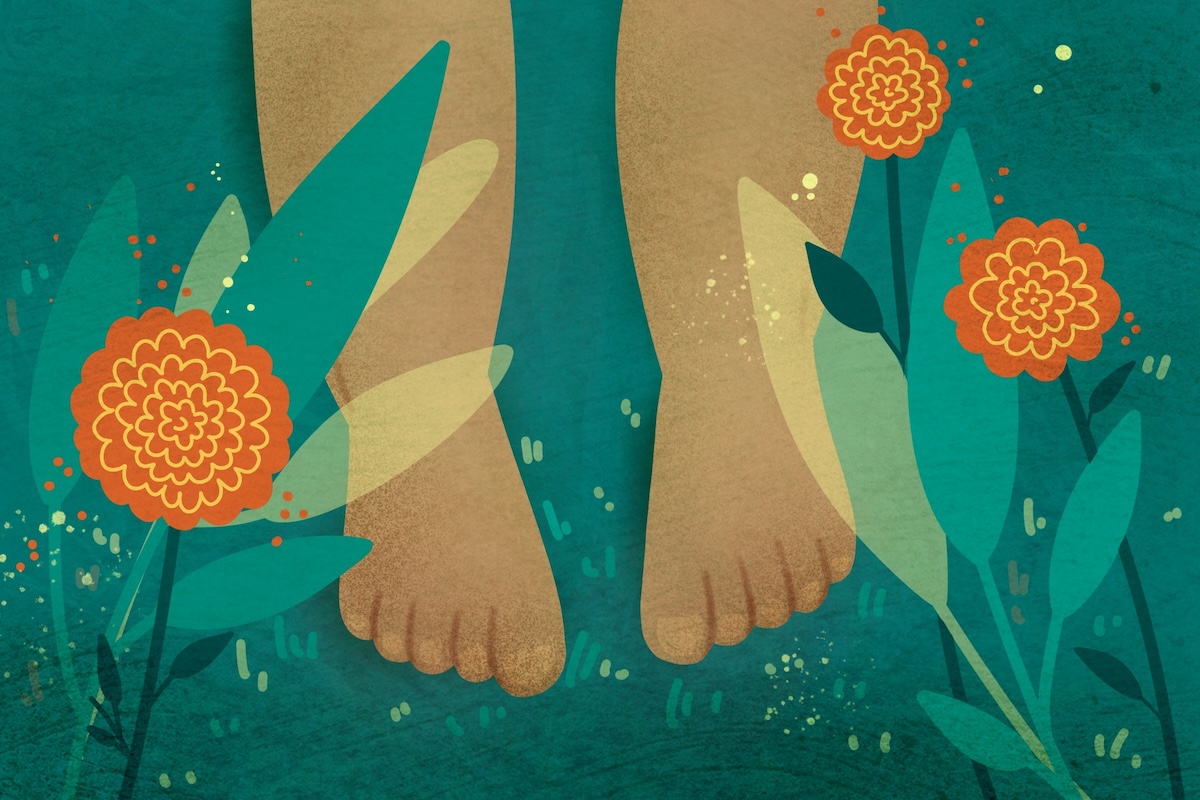
Oxnard is recognized as the traditional land of the Chumash people.
Lorenzo explained that this deep connection to the land is rooted in Indigenous teachings passed down through generations. These teachings emphasize that the land is not simply a source of food and sustenance, but a living presence that deserves gratitude, care and mutual respect.
Preserving that connection also means ensuring that Indigenous leaders have opportunities to share their stories, traditions, and cultural knowledge. Lorenzo emphasized the importance of passing down their Indigenous identity and ancestral teachings to children and youth, helping ensure that their cultural heritage continues to thrive for generations to come.
Echoing the importance of ancestral connections, Melendez Ayala shared a tradition from her Chumash heritage in which people remove their shoes before praying, helping them connect with the earth and “the land that my ancestors walked on,” she said. “You can just feel the ancestors in the air.”
For Melendez Ayala, the land is inseparable from community and belonging. Describing the land as “everything,” she emphasized the importance of respecting both the earth and one another, noting that “out of respect, we’d grow love.”
Building on these reflections, Lugo emphasized the significance of compassion, identifying the heart as the word she most wanted to share with attendees.
“When our heart is open, this miracle happens of compassion—compassion for ourselves, compassion for the earth, only taking what we need, preserving what we have, and being who we are every single day is super, super important,” Lugo said.
That spirit of gratitude and connection extended beyond the panel discussion, as participants took part in an art activity that invited them to reflect on the people, places, and experiences they valued most.
Using orange cardboard petals, attendees created flowers inscribed with personal messages of gratitude. Some expressed appreciation for their loved ones and the natural world, writing messages such as “I’m grateful for my family and my community” and “grateful for this land.” Others reflected on the value of life itself, including one participant who wrote, “I’m grateful for this life and how I am still here.”
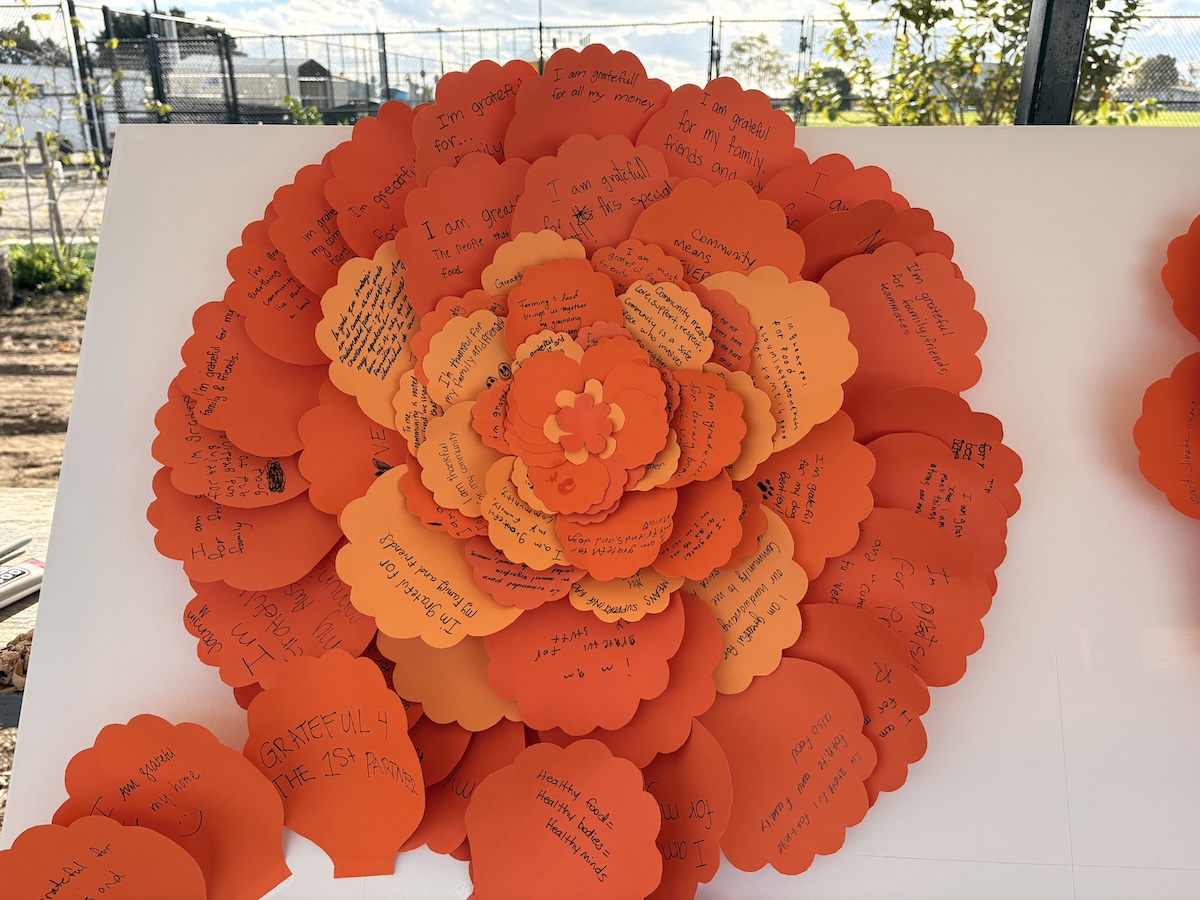
Together, the flowers reflected the voices of a close-knit community seeking to strengthen its connections while continuing to appreciate and care for the land.
The messages of gratitude also echoed a central theme of the gathering: the importance of nurturing connections not only with others, but also with oneself and the natural world.
“We cannot begin to connect with others until we feel our own,” Lugo said, stressing how “social connection, belonging, and connection to the land” are essential for youth, families, and elders.
Her words brought the gathering’s message full circle: in a time when loneliness continues to affect communities across California, fostering a sense of belonging begins with the relationships people build with themselves, one another, and the land they share.

ROXSY LIN
Roxsy Lin is a UC Berkeley California Local News Fellow. Her reporting centers on Latino communities. She covers issues affecting farmworkers, including unsafe working conditions, sexual violence, and wage theft. Her work has appeared in the LA Times, CALÓ News, Palabra, Boyle Heights Beat, and Refinery29 Somos.