


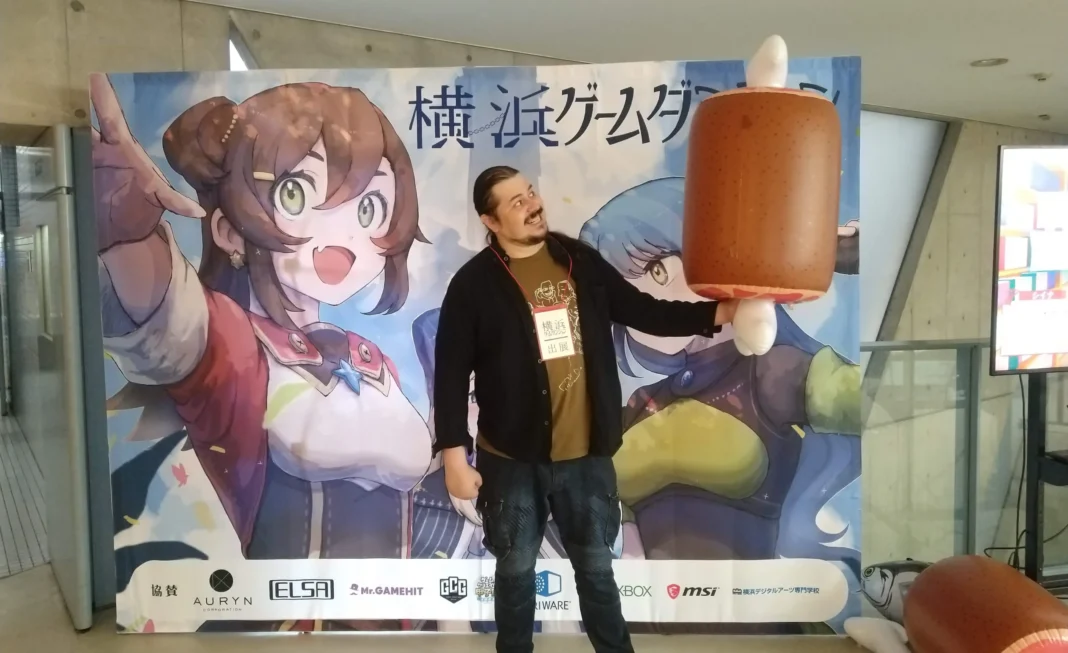
The memory of a Mexico frozen in time fuels the imagination of Arturo Borja, who crossed the Atlantic over 20 years ago for the country where Nintendo was born: Japan.
A developer and programmer, he managed to establish a small video game development studio in Tokyo called Sketchy Ceviche.
For Japanese gamers, his 2023 game “El Panadero,” or “The Baker,” offers an unprecedented look at Mexican bakery culture icons such as conchas, huevos rancheros and delicious piloncillo piglets.
Originally from Guanajuato, Mexico, Borja studied programming at the Center for Industrial and Service Technology Studies (CETIS) and took Japanese classes at the nearby University of Guanajuato. Even then, he had his eyes and ambitions set on the land of the rising sun.
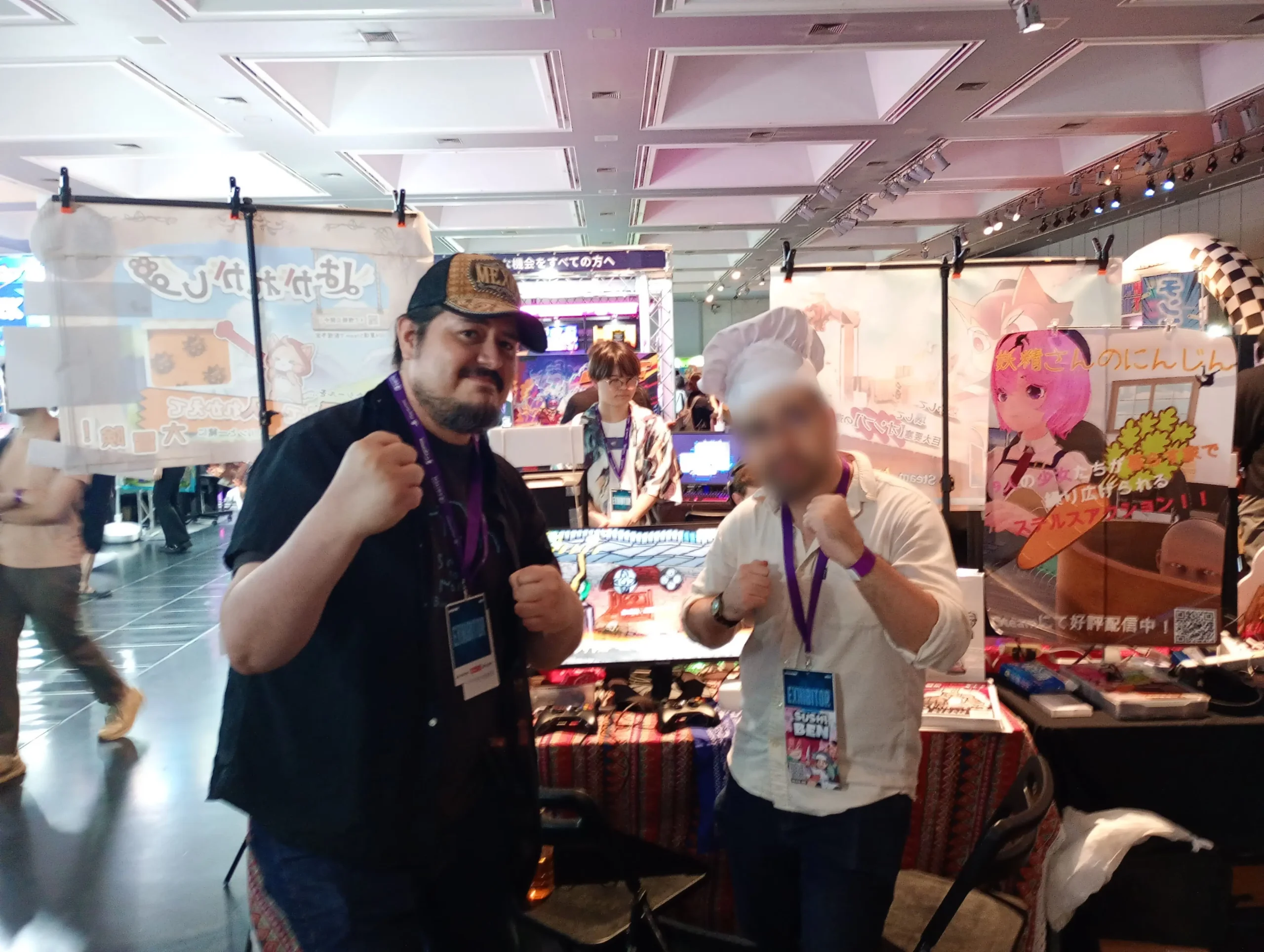
With his programming degree, he landed a job in Tokyo as a “Code Monkey, a dreamer in IT … a classic techie,” he said in an interview with Peninsula 360 Press. “I had the opportunity to learn how normal, middle-class Japanese people work.”
Borja said that while the call of his homeland was strong as a foreigner in Japan, he found comfort in traditions like the celebration of Obon, a local day to remember departed loved ones and offer them food, offerings, lanterns, and altars — a sweet parallel with the Day of the Dead that helped him overcome nostalgia.
“In some ways, we are so different and in others so similar that there are places where the gears fit together,” the programmer said.
For Borja, the COVID-19 pandemic became the perfect opportunity to invest his free time in a creative project that helped him process the tragedies unfolding worldwide.
Together with his father, he began developing his first video game, “El Minero.”
“There is no way to make something without making mistakes,” Borja said about the game development process — especially for independent developers with limited help and resources.
After he released “El Minero,” a Japan-based, South African producer and musician performing under the name ghostpops became interested in his work and offered to collaborate, bringing a unique interpretation of Mexican music to “El Panadero.”

While independent developers can’t compare their own capacity to that of industry giants, they compete for the same space, for the same money — and consumers often look down on independent video games.
Borja, being aware of criticisms of his work, has learned to separate constructive criticism from attacks.
“What really bothers me — I’m not saying I’m okay with it, but it bothers me — is when people say, ‘I’m not going to buy a Mexican game, just because it’s Mexican,’” the developer said.
Making games is a very risky endeavor; even in countries with government support, there’s no guarantee that the game will recoup its investment, let alone generate a profit. So why make independent video games?
“One, because we want to, and two, because there are many things that indie games can offer you that mainstream games can’t,” said Borja with conviction.
Perhaps that’s the secret to the charm of independent games: They’re made out of the simple impulse to create, to accomplish something, to give the world something that didn’t exist before. The pleasure of sharing one’s culture, thoughts and fears is the driving force behind independent works like The Baker, and that’s priceless.
Borja’s game “El Panadero” is available on Switch and Steam.
This story was originally published in Spanish by Peninsula 360 Press.