


By Fatmeh Bakhit & Dahlia M. Taha | Al Enteshar Newspaper
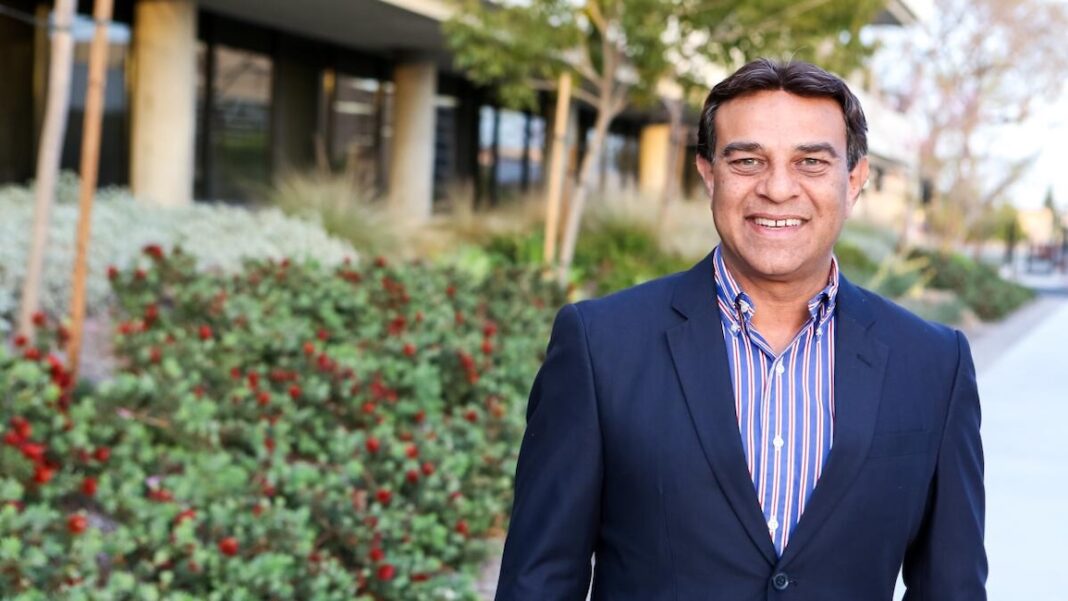
Ali Sajjad Taj has served as Mayor of Artesia, California, focusing on inclusion, community engagement, and practical solutions to urban challenges. Known for his work expanding access to city resources and fostering diverse representation in local government, Taj has long championed initiatives that address inequities in public services.
In this interview, he shares his perspective on how Los Angeles can close its park access gap and ensure every neighborhood—especially those historically underserved—has safe, welcoming, and high-quality green spaces.
When asked what Los Angeles could do to build greater park equity, Taj didn’t hesitate. He offered a clear, step-by-step vision addressing the shortage of green space in underserved neighborhoods and the quality of existing parks.
“Building greater park equity in LA means addressing both the shortage of green space in underserved neighborhoods and the quality of existing parks,” Taj said.
He believes the solution begins with targeting resources to park-poor areas so low-income, minority, and historically underserved communities get priority for new park development and upgrades. Opening schoolyards and public facilities after hours through joint-use agreements could instantly expand access, while pocket parks, mini-greens, and converted public spaces could bring relief to dense neighborhoods where large parks aren’t possible.
Improving safety and infrastructure is another important step. “Better lighting, crosswalks, bike lanes, and pedestrian paths” would make it easier for residents to reach parks comfortably, he said. Expanding tree canopy and shaded areas in hotter, pollution-heavy communities would combat heat inequities and improve air quality, while universal design would ensure parks are accessible for people with disabilities, seniors, and families with young children.
Taj emphasized that community voices must guide every decision. “Involving residents—especially from marginalized communities—in planning meetings, advisory boards, and budget priorities” is essential, he said. The combination of targeted investment, creative use of space, and inclusive engagement, he believes, can close the park access gap and make LA’s green spaces healthier, safer, and more welcoming for everyone.
Historic Inequities, Present-Day Barriers
Taj pointed to systemic issues as the biggest obstacles to park equity in Los Angeles. “Unequal distribution” has left low-income, Black, and Latinx neighborhoods with far less park space, he said. Nearly 40 percent of residents live more than a 10-minute walk from a park, often along unsafe walking or biking routes.
Other challenges include poor maintenance and safety, funding gaps, fragmented governance, and accessibility limitations for seniors and people with disabilities. Environmental inequities, such as a lack of tree canopy in hotter neighborhoods, further deepen the divide.
“Park inequity is rooted in history, worsened by funding and infrastructure gaps, and requires targeted investment, better coordination, and community-driven solutions,” Taj said.
A Vision Built with the Community
For Taj, the path to park equity is practical. His approach blends targeted investment, such as creating pocket parks, expanding joint-use agreements for schools, converting alleys into green spaces, and improving safety on routes to parks with long-term sustainability through increased tree canopy, universal accessibility, and secured funding from bonds, measures, or grants.
But policy alone isn’t enough. “By hosting multilingual listening sessions, partnering with trusted community organizations, creating resident advisory committees, and using surveys and outreach in diverse neighborhoods, marginalized voices directly shape park planning and priorities,” he said.
The feedback he hears most often is urgent and unambiguous: there’s no park close enough to walk to; more shade and trees are needed; more parks must be built.
To Taj, these aren’t just community requests; they are a mandate. They are the blueprint for a Los Angeles where every resident, regardless of neighborhood or income, has a safe, green, and welcoming place to gather, play, and breathe.
This story was produced by American Community Media in collaboration with the Laboratory for Environmental Narrative Strategies (LENS) at UCLA as part of the Greening American Cities initiative supported by the Bezos Earth Fund. Read more stories like this by visiting the Greening Communities homepage.