



By Pamela Cruz
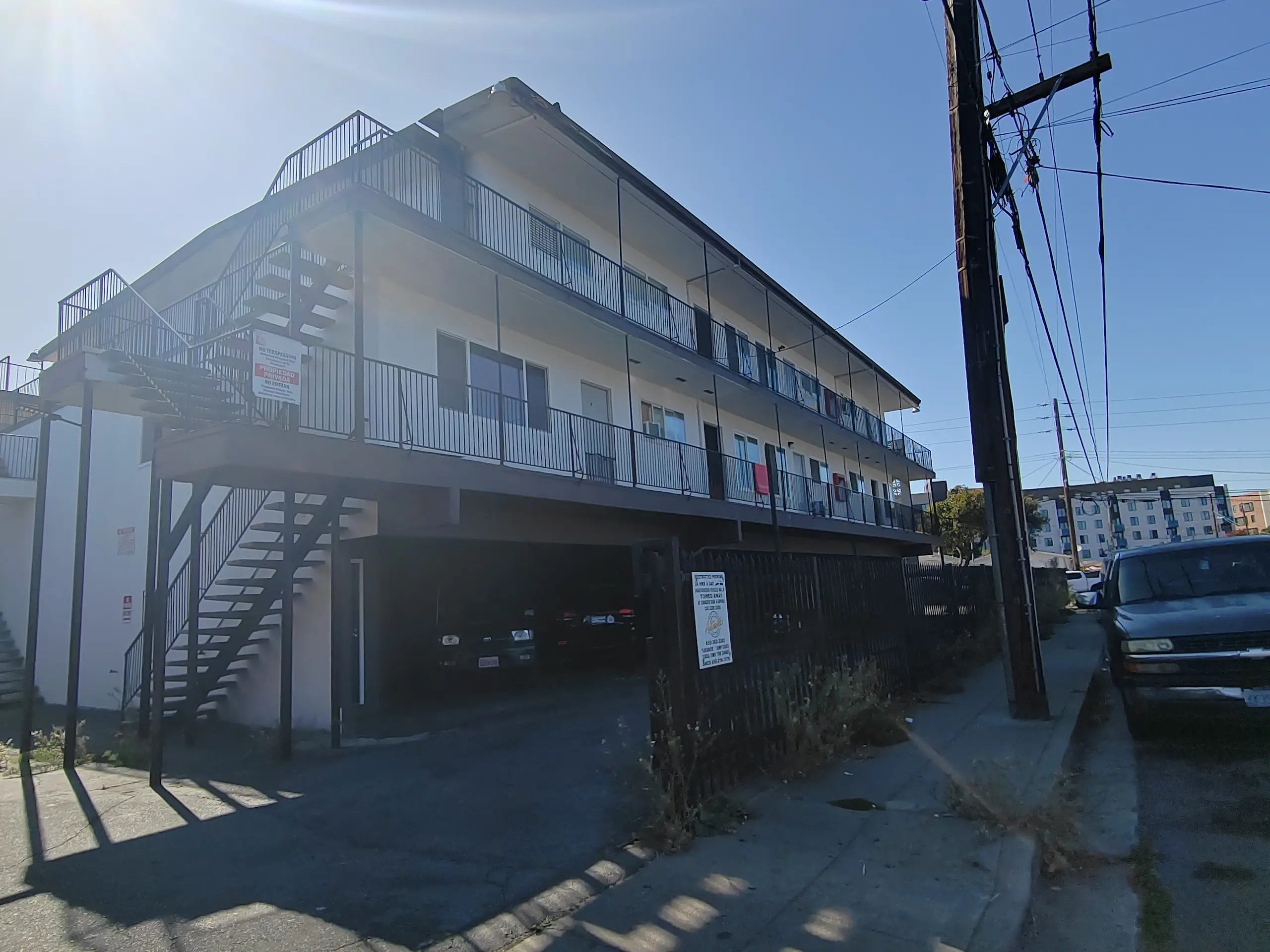
NORTH FAIR OAKS, Calif. — Jenifer Córdova works 12-hour days at two jobs and still only manages to scrape together enough to pay her rent, which jumped $150 over the past year and now sits at just under $3,000 per month.
In November, voters in this Bay Area suburb will have the chance to weigh in on a measure supporters say could help stabilize rents and protect tenants like Córdova.
“So far this year, they’ve raised the rent twice,” says the 25-year-old Guatemalan, adding that her stove still doesn’t work properly despite repeated requests to the landlord to fix it.
Córdova then points to a nearby relative who pays $3,300 for a two-bedroom apartment, excluding utilities. Some four to five people share the space, she says.
It is a typical living arrangement in this largely immigrant and working-class enclave outside Redwood City on the northern edge of Silicon Valley, where the median rent for a 1-bedroom can range from $2,900 to $4,300 per month. Nationally, that number sits between $1,200 to $1,500.
Part of the problem, Córdova says, is that local employers don’t offer full-time positions in order to avoid payroll expenses. Women employees also tend to earn less than their male counterparts, she notes.
“I know that there are many women here, and most of us earn less than a man for the work we do, [so] we have to have two jobs,” Córdova points out.
What’s left after paying for rent, groceries and other necessities, adds Córdova, goes to supporting family in her native Guatemala. When costs go up, she says, the amount she is able to send home by necessity goes down.
Stark inequality
Córdova works part time at a remittance center, where she says she used to see anywhere from 15 to 20 customers on any given morning. These days, as costs for essentials from rent to food and gas continue to climb, she’s seeing fewer people, sometimes as few as one or two per day.
“There are days when I only make one transfer all morning,” says Córdova. “I even worry about my boss because I know she depends on this for her income.”
North Fair Oaks has long been known as “Little Michoacán” due to the large number of families from the Mexican state who settled here over decades. About 72% of the population here is Latino, while about 40% were born outside the United States.
Their presence is visible in the long strip of businesses that runs along Middlefield Road, a major north-south thoroughfare where signs almost exclusively in Spanish announce a variety of foods and services unique to Mexico and Michoacan, specifically.
The average household income here is around $129,000. Just blocks away, in neighboring Atherton, that figure jumps to $646,000. It is, according to reporting by the San Francisco Chronicle, the steepest income gap separating two contiguous residential areas in the Bay Area.
It is these dynamics that are prompting some in the community to leave, opting for more affordable — if more remote — locations, including Modesto, Sacramento, or Salinas, where commutes to and from the peninsula can extend into hours.
Shuttered businesses
Sandra Contreras arrived from Michoacán with the idea of staying a year in the United States. Two decades later, the mother and grandmother says she has no plans to leave, despite the growing financial pressure.
“I had a lot of clientele who came two or three times a week,” she said of her business, Monarca Ice Cream and Snacks on Middlefield Road. “They no longer come those two or three times; sometimes they come once or they don’t come at all.”
According to Contreras, her expenses, including the nearby apartment she rents, top $7,000 per month excluding utilities and internet fees. Her rent on the store she operates increases $200 each year and is now more than double what she paid when she first started, despite declining sales.
Having survived these many years, including through the pandemic and a major construction project along Middlefield Road that prompted the closure of no small number of establishments, Contreras now says she’s thinking of shutting her doors for good.
“Yes, I’m thinking about it,” she acknowledged.

Measure E
Contreras says Measure E is needed to establish limits on rent increases and keep families in the community.
The proposal, which appears on this year’s November ballot, would impose tighter rent controls and limits on just cause evictions. It would also establish relocation assistance funds for certain no-fault evictions and create a municipal rent stabilization and tenant protection program.
The measure would apply primarily to multifamily apartments built before 1995, covering about 40 percent of Redwood City’s rental housing; single-family homes and many condominiums would remain exempt from price controls due to limitations imposed by state law.
Those who support the initiative maintain that it would reduce displacement and provide greater stability to thousands of families, in a city where rents have increased 57% over the last 15 years.
“We fund firefighters, police and public safety. Why not also housing?” said Redwood City Councilman Chris Sturken during a recent community townhall. While he acknowledged the measure “is not perfect,” he stressed, “We say we believe housing is a human right, but what does that look like in practice?”
An analysis commissioned by the city estimated the measure would cost between $5 million and $11.1 million annually. Affordable housing providers have also expressed concern about the impact of related expenses on projects that operate on tight margins.
Unsurprisingly, landlord and real estate groups oppose the measure.
It is also unclear how many residents of North Fair Oaks, which is an unincorporated section of Redwood City, would benefit.
Worse than the pandemic
Still, many here say the measure is a welcome step toward addressing the region’s widening inequality and rising costs.
Sandra Rivera stands inside her business along Middlefield Road, a convenience store cum bakery that also offers a variety of other services, including money transfers and check cashing.
She says the economic displacement of families, combined with the impact of ongoing immigration enforcement — which has sewn fear across immigrant communities and has brought with it its own negative economic impacts — is draining the life out of the community and her business.
According to Rivera, her sales have dipped by as much as $20,000 in recent months, worse, she adds, than during the height of the COVID-19 pandemic.
“All the factors are coming together,” she said, “and that is causing all of these businesses to suffer.”
As the election approaches, volunteers walk the streets with flyers for or against the measure.
Córdova, who is not yet a citizen, cannot vote. But, as we wrap up, she says she supports the measure. She then gathers her things and prepares to return to her apartment where the rents have jumped but the stove is still broken.
Pamela Cruz is editor-in-chief of Peninsula 360 Press, where a longer version of this story was first published.