


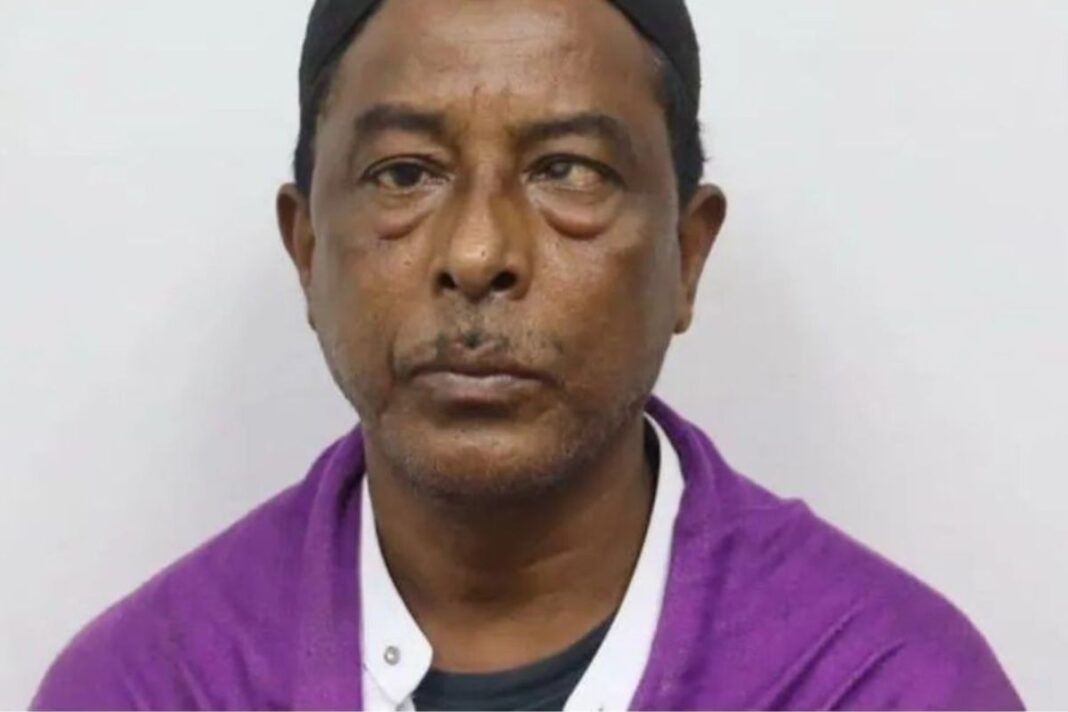
The death of 56-year-old Nurul Shah Alam on the evening of February 24, 2026, has ignited a firestorm of grief and demands for accountability from immigrant and refugee communities across the United States.
The body of Shah Alam, a Rohingya refugee who was nearly blind and with limited ability to walk due to back problems, was discovered in downtown Buffalo five days after being released from custody by U.S. border patrol agents during the height of a historic North American blizzard.
Burmese and immigrant communities across the United States are demanding accountability for his death.
A Fatal Chain of Events
Having arrived in the U.S. in late 2024, Shah Alam spoke no English. In February 2025, he was arrested after he inadvertently wandered onto private property while taking a walk. Law enforcement claimed he was brandishing a weapon, which in fact was a curtain rod Shah Alam had been using to help him walk. Unable to comprehend police commands, he was tasered and detained.
Fearing that posting bail would trigger immediate deportation by Immigration and Customs Enforcement (ICE), Shah Alam’s family left him in the Erie County Holding Center for nearly a year. He was finally released on February 19, 2026. However, instead of being reunited with his family, border patrol agents reportedly dropped him off at a Niagara Street coffee shop without notification. He was left five miles from his home, unable to see clearly or navigate the area, as temperatures plummeted to 30°F.
Police body cam footage shows the encounter between Buffalo police and Shah Alam in Feb. 2025.
Systemic Failures and Human Rights Concerns
Shah Alam’s death follows a string of distressing news for the Burmese community, including recent ICE detentions of Karen refugees and asylum seekers in Minnesota.
Steven San Yu is the founder of Buffalo-based Burmese Community Services. He noted that for refugees, the combination of “culture shock” and language barriers can be life-threatening. “He was a human being,” San Yu remarked. “The breakdown in communication was a breakdown in basic human care.”
There are an estimated 8,000-10,000 refugees from Burma in the Buffalo area. A majority (80%) live well below the poverty line, while half report trauma related symptoms. Burma has been locked in a brutal civil war since 2021 and remains under the control of a repressive military junta.
Buffalo Mayor Sean Ryan called border patrol agents’ actions “inhumane” and a “dereliction of duty.” New York State Congressman Tim Kennedy, whose districts included Buffalo, sent a letter to New York State Attorney General Letitia James calling for a full and independent investigation into the circumstances behind the 56-year-old refugee’s death.
A Community in Mourning
Burmese and Rohingya organizations across the country are similarly calling for investigations.
“This problem goes beyond language,” said Cho Maung, chair of One Myanmar Community. “He was a human being. Even with today’s technology and translation tools, the basic compassion to ensure a vulnerable person reaches safety was missing.”
Maung added Shah Alam’s death highlights the shared risks faced by all immigrants in a climate of heightened immigration enforcement.
“This heartbreaking incident highlights the urgent need for accountability and humane treatment of vulnerable individuals seeking safety and protection,” read a statement from the Los Angeles Rohingya Association. “Every person, especially those who are disabled or fleeing persecution deserves dignity, respect, and proper care, not abandonment or neglect.”
Association founder KoKo Naing added, “His family and our community deserve a full, independent investigation into how and why this happened and I will not rest until we get those answers.”
A Final Farewell
Buffalo’s Burmese and Rohingya community gathered at a local mosque to lay Mr. Alam to rest on Feb. 25, shortly after the start of the holy month of Ramadan. The Rohingya are a persecuted Muslim minority in Burma (also known as Myanmar).
While the official cause of death remains under investigation, the moral questions surrounding his final days loom large. As the Buffalo community navigates the aftermath of one of the worst storms in a decade, residents are also grappling with the reality that a neighbor who fled ethnic cleansing to find safety perished alone on a city street, just miles from the family that was waiting for him.
“Shah Alam is gone, unable to share his story with those he loved,” said San Yu at the burial. “His wife and sons are speechless in their sorrow, but their silence is filled with questions. He was one of us, a human being, and as humans, we are all left asking why.”
SweSwe Aye is a reporter with the Myanmar Gazette where this story was first published.