

Was Live Fri, Oct 28, 2022 | 11 am PT
Guest Speakers:
- Jenna Lane, Communications Officer, Blue Shield Foundation of California
- Erica Olsen, Director of the Safety Net program, National Network to End Domestic Violence
- Deborah Tucker, President of the Board of Directors, the National Center on Domestic and Sexual Violence
- Pallavi Dhawan, Director of Domestic Violence Policy, Los Angeles City Attorney’s Office
News Report from this Briefing
Event Overview
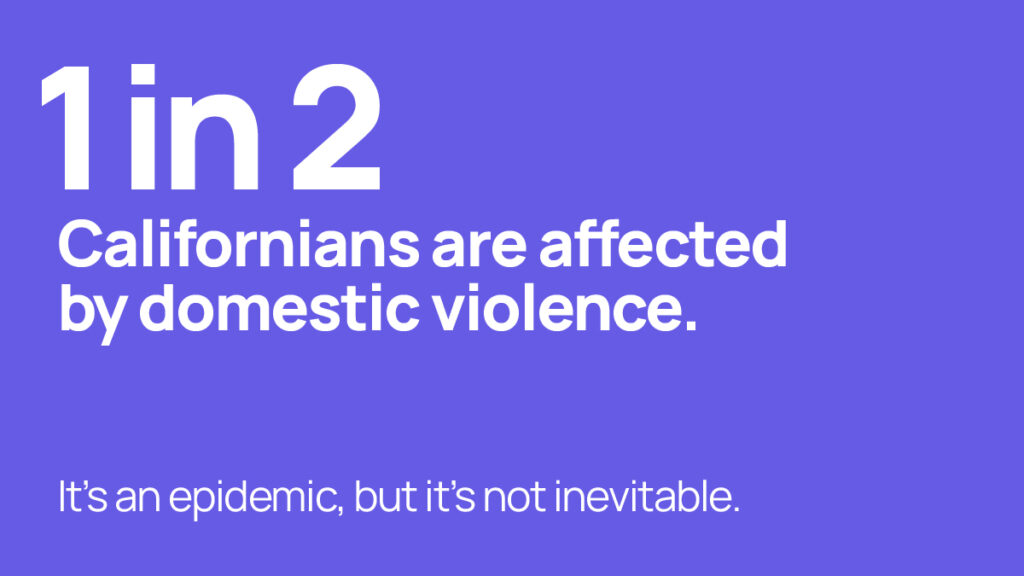
1 out of every 2 people in California – including children – have been exposed to domestic violence, according to new research by the Blue Shield Foundation of California. Nationally, 1 in 4 women and 1 in 7 men will experience physical violence by their intimate partner at some point during their lifetimes, according to CDC data.
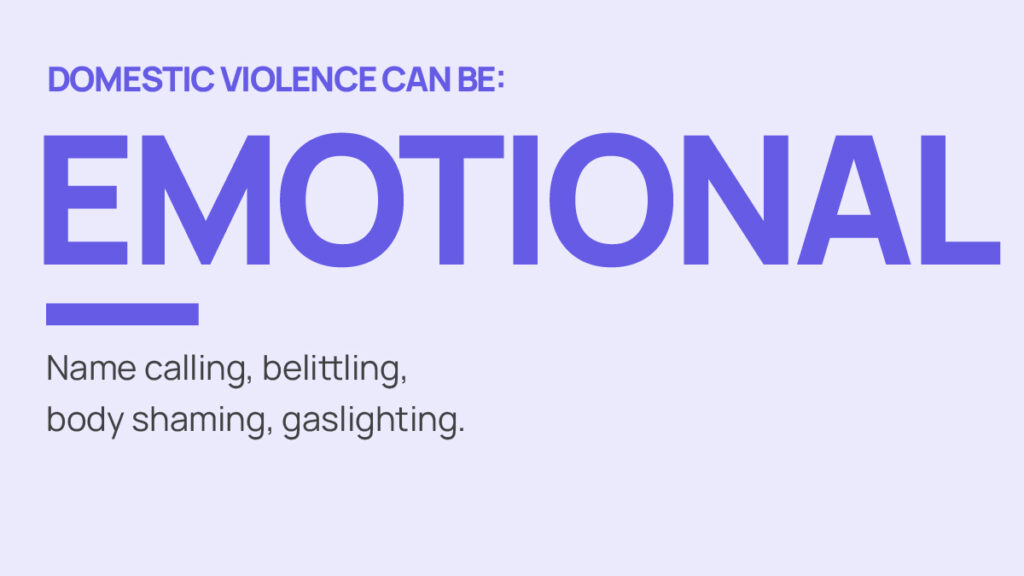
Domestic violence can take many forms. Technology abuse – stalking, harassing someone by text, using apps to track their whereabouts – and coercive control are two forms of violence that often go unreported.
Speakers this week will focus on DV via technology, coercive control, policy at the California state level, and policy changes emerging from the Biden administration, including the expansion of the Violence Against Women Act and the White House plan. Speakers will also address whether immigrants are more vulnerable to abuse because they lack the resources and support for help.
Presented by Ethnic Media Servic