

Inequality is Up, Childhood Poverty Declines

Share:

Latest Content

New Public Charge Rules Have Chilling Effects on Immigrants and Their Children

Aug 07 | Experts explain the Trump administration’s expanded public charge rule, its impact on immigrant families and children, and the growing fear driving disenrollment from food, housing, and healthcare programs nationwide.

Californians Have a Right To Know About 911 Calls From Ice Detention Centers

If passed, CA Senate Bill 423 would require disclosure of 911 calls and related records from privately-run detention centers in California.

Author Related

ACoM Names New Executive Director of Largest, Oldest Ethnic Media Organization

American Community Media names Jaya Padmanabhan executive director, marking a generational leadership transition as founder Sandy Close steps into a director emeritus role.

Love on the Border

Kayla Kirby and Vidal Ramirez met and fell in love in Imperial Valley, where they have built a bridge across a chasm between two different languages, nations and cultures.

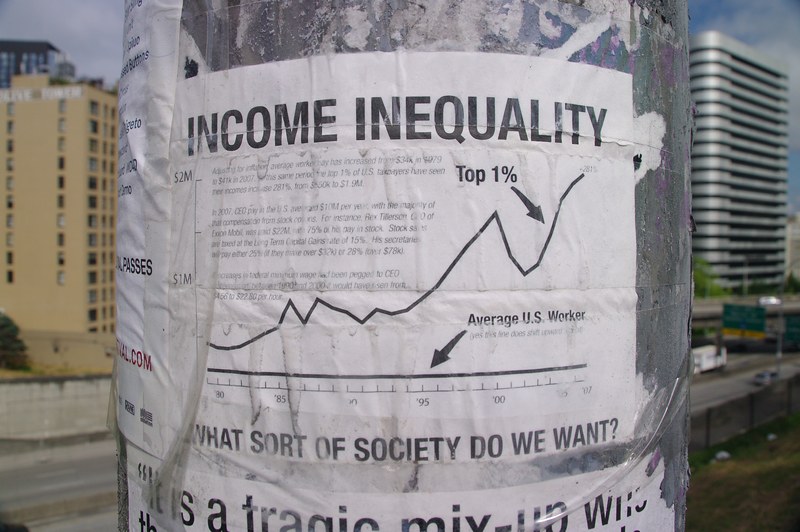
Income inequality in the U.S. increased last year for the first time in more than a decade, but childhood poverty was cut almost in half due to expansion of the federal government’s child tax credit and stimulus payments made in response to the COVID-19 pandemic, according to new survey results released Tuesday, Sept. 13, by the U.S. Census Bureau.

The income inequality index increased 1.2% from 2020 to 2021, the first time the measurement known as the Gini Index has increased since 2011, according to a report on Current Population Survey results.

Declines in household income among the poorest U.S. residents appears to have driven the widening of the income inequality gap. Households in the 90th percentile of the income distribution, the richest, had income that was 13.5 times higher than households in the 10th percentile, the poorest. That was a 4.9% increase from 2020.

Read the full story at LA Sentinel