

It’s Time for Congress to Approve Permanent Healthcare for Indian Country

Share:

Latest Content

New Public Charge Rules Have Chilling Effects on Immigrants and Their Children

Aug 07 | Experts explain the Trump administration’s expanded public charge rule, its impact on immigrant families and children, and the growing fear driving disenrollment from food, housing, and healthcare programs nationwide.

Californians Have a Right To Know About 911 Calls From Ice Detention Centers

If passed, CA Senate Bill 423 would require disclosure of 911 calls and related records from privately-run detention centers in California.

Author Related

Election Verification — Can Voters be Sure Their Votes Will be Counted in 2022?

What steps is California is taking to prevent voter intimidation at the polls in this year's midterms, and to verify that votes are accurately and fairly counted?

News Roundup: Echoes of History, Here to Work Day of Action, Authoritarianism on the Ballot in ‘24

Also in this edition, more Koreans enlisting in US military, a win for state-recognized tribes, and a plea for aid to Palestine.

Levi Rickert/Native News Online

The day before last week’s White House Tribal Nation Summit kicked off, the National Congress of American Indians (NCAI) and the National Indian Health Board (NIHB) held a meeting with several dozen tribal leaders from across Indian Country at the Capital Hilton. They met to prepare for high-level discussions with high-ranking Biden administration officials that would take place at the summit. 

Outside the meeting room, a sign produced by the National Council of Urban Indian Health (NCUIH) read: “Native Lives Can’t Wait…It’s time for stable funding for the Indian Health Service.” The sign foretold a topic that would surface in discussions over the course of the next couple days when the summit convened on Wednesday and Thursday. 

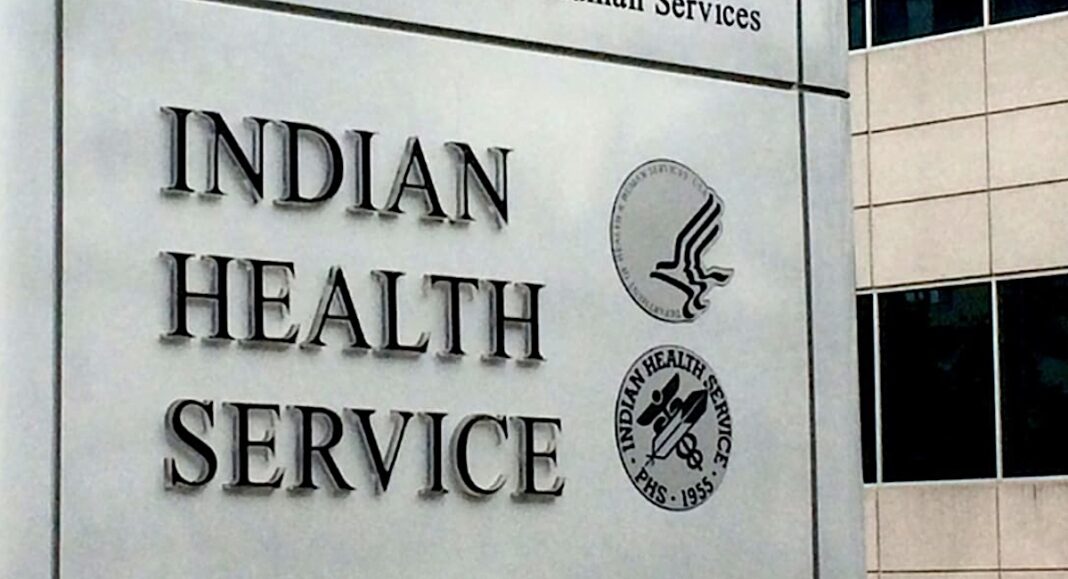
At issue is the fact there is no permanent federal funding for healthcare for Indian Country.

Read the full story at Native News Online