


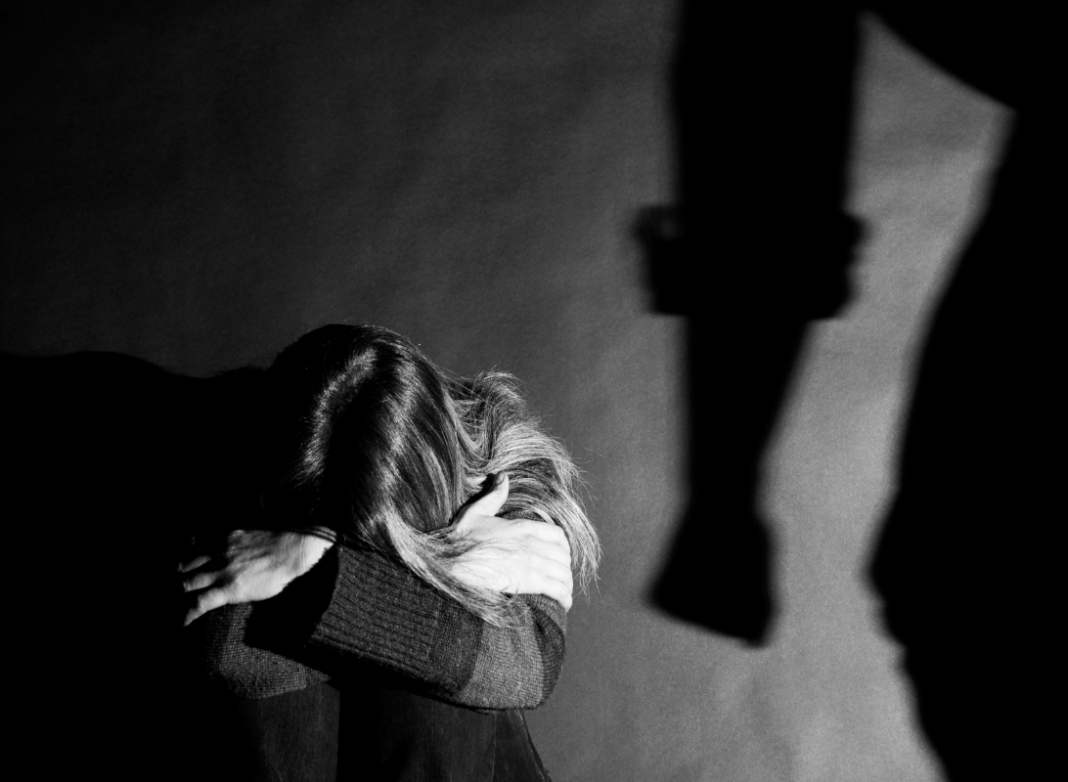
Domestic violence is among the leading causes of homelessness, and is driving growing numbers of women to sake safety in the streets.
At a Friday, February 16 Ethnic Media Services briefing, domestic violence prevention advocates and a formerly unhoused survivor discussed how domestic violence often leads to homelessness and shared firsthand experiences of homelessness as a result of IPV.
The impact of domestic violence on homelessness
Domestic violence, also known as intimate partner violence (IPV), involves “violence, abuse or aggression committed by a former or current intimate partner,” said Dr. Anita Hargrave, Assistant Adjunct Professor at UCSF.
Last month, to better understand the experiences of IPV survivors currently experiencing homelessness, the UCSF Benioff Homelessness and Housing Initiative released Toward Safety, a report analyzing IPV data from June 2023 in the California Statewide Study of People Experiencing Homelessness (CASPEH) — the largest representative study of homelessness since the mid-1990s.
This new report found that 40% of participants reporting IPV in the six months before homelessness reported violence as a reason for leaving their last housing, while 20% said it was the primary reason.
IPV “is particularly dangerous for those at the economic margins,” said Hargrave. “Many survivors reported that relatively modest amounts of financial support could have helped them avoid homelessness — which left them even more vulnerable to increased violence, as 42% of IPV survivors prior to homelessness experienced it unhoused as well.”
73% of those who reported IPV before homelessness believed that a $300 to $500 monthly subsidy would have kept them housed for at least two years, while 83% believed that a one-time $5,000 to $10,000 lump sum would have, and 92% believed that a housing voucher limiting rental contributions to 30% of their income would have.
95% of all survivors said high housing costs were a barrier to regaining housing.
In short, “Many IPV survivors are forced to choose between a rock and a hard place: enduring violence at home or risking homelessness,” said Hargrave. “You can’t address the link between IPV and homelessness without addressing the need for permanent affordable housing.”
Rising IPV and homelessness in New York City
Domestic violence has particularly been on the rise in New York City, where 40% of women and children in homeless shelters are there because of IPV.
“Despite New York City making progress in reducing other forms of homicides, domestic violence homicides persist, and continues to disproportionately impact Black and Hispanic women,” said Jennifer White-Reid, Chief of Staff at Urban Resource Institute (URINYC), which provides transitional housing for thousands of domestic violence survivors and homeless families.
Between 2021 and 2022, IPV homicides increased 29% citywide, 225% in Brooklyn and 57% in the Bronx.
Key to stopping this cycle is education including “violence prevention and healthy relationship education programs for youth, and trauma-informed behavioral intervention accountability programs for individuals who have caused harm,” said White-Reid.
In February 2023, URINYC advocated for the passage of a state bill redefining domestic violence under the New York City Human Rights Law to include economic abuse, which includes coerced debt and gives victims expanded protections.
Just as crucial is economic investment, including housing support and IPV-related debt prevention, she explained: “Economic abuse, experienced by 98% of survivors, often serves as a primary reason they stay or return to an abusive partner.”
URINYC also offers workforce development, employment assistance and affordable housing services including People and Animals Living Safely (PALS).
“We learned that 50% of survivors would not leave a dangerous situation if they could not take their pets with them,” said White-Reid. “PALS is the only dedicated program in New York City, and among a few nationally, allowing domestic violence survivors to live and heal together with their pets as they work to achieve economic stability.”
A firsthand experience
Without resources like these, “I chose homelessness over returning to abuse,” said Desiree Martinez, who was unhoused for five years in Fresno, California until 2016 due to IPV.
“Lacking insurance after a mental breakdown, I was desperate for assistance at a local mental health office but ended up being confined as they deemed me at-risk,” continued Martinez, who is now Executive Director of homelessness advocacy nonprofit We Are NOT Invisible.
“National hotlines directed me to county resources, yet there was limited local support. After not meeting the criteria for a bed at a domestic violence shelter, I found myself at a homeless shelter sleeping on the floor amongst others,” added Martinez, who suggested that shelters reserve beds for domestic violence survivors, given the high prevalence of homelessness among them.
“It’s especially dangerous for women to survive the streets,” she said. “In Fresno County there was a lot of sex trafficking, a lot of drugs. You stay up all night in order not to be raped. You have nowhere to change, no shower, no heat. You don’t feel like a female. You’re scared constantly and all you want is shelter — no wonder a lot of people choose to go back home.”
“The shelter’s gender restrictions left me exposed to the streets once again, surviving on a fixed disability income while facing steep rents,” Martinez explained. “If it wasn’t for a 30% income affordable housing voucher, I would still probably be on the streets, and who knows what would have happened to me. Yet, I’m nervous every year because the rent continues to increase, but the voucher does not.”
“You flee an abusive relationship because you want safety, but being unhoused makes you vulnerable to thousands of strangers. For a time, I’d ended up going back because I’d rather be abused by one I knew,” she added. “We need to educate people about what’s happening to us in the streets — that we’re good people too who just want a permanent home.”