


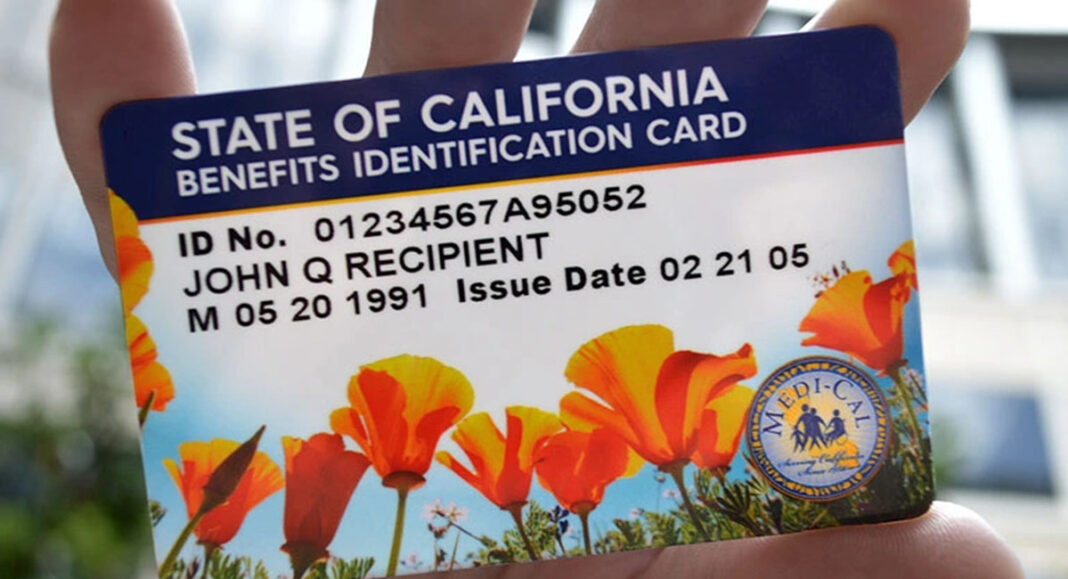

Mandatory work requirements for adult Medi-Cal beneficiaries could be delayed until July 2027, giving millions of Californians additional time to prepare for the new federal rules.
The Centers for Medicare & Medicaid Services (CMS) announced Nov. 13 that states may postpone implementation of Medicaid work requirements, originally scheduled to take effect Jan. 1, 2027, for six months. Medi-Cal is California’s Medicaid program.
Under the new policy, Medi-Cal beneficiaries ages 19 to 64 would have until June 30, 2027, to submit the required information.
California had previously requested an extension, citing the need to update eligibility management systems, train county workers and notify beneficiaries before implementing the mandate.
In response, CMS introduced a temporary grace period, known as the “CMS Hold Harmless” policy, allowing states to maintain health coverage for individuals whose compliance has not yet been verified. During this period, states will not be required to deny new Medicaid applications or terminate existing coverage solely because beneficiaries fail to meet the work requirements.
However, state agencies must continue determining whether new applicants and current beneficiaries satisfy the federal standards or qualify for exemptions, even during the grace period.
CMS also recommended that states use the additional time to test eligibility systems, provide accurate information about the new rules and develop employment assistance and education programs.
States seeking the extension must submit their implementation plans to CMS and obtain approval by Dec. 11.
The delay does not eliminate the federal work mandate.
Under the One Big Beautiful Bill Act (H.R. 1), enacted last year, most Medi-Cal beneficiaries ages 19 to 64 will eventually be required to document at least 80 hours of qualifying activities each month through written records or electronic verification.
According to CMS, eligible activities include paid employment with monthly earnings of at least $580, community service, participation in job assistance programs, vocational training and education.
Exemptions include children and teenagers ages 18 and younger, adults 65 and older, pregnant women, parents caring for children ages 13 and younger, individuals unable to work because of disabilities or mental health conditions, and eligible former foster youths under age 26.
Meanwhile, stricter Medi-Cal eligibility renewal procedures will take effect as scheduled, regardless of whether the work mandate is postponed.
Beginning Jan. 1, 2027, beneficiaries ages 19 to 64 will be required to renew their eligibility every six months instead of once a year. In California, the new schedule is expected to apply first to those whose coverage comes up for renewal in March.
With more frequent reviews, recipients will need to pay closer attention to notices from county social services agencies and submit updated information by the required deadlines to maintain their health coverage.
James Ahn, director of Patient Resources Development (PRD) at Kheir Clinic in Los Angeles urged beneficiaries to respond promptly to renewal notices.
“Medi-Cal beneficiaries should carefully review renewal notices sent by their county social services departments and make sure to submit all required renewal forms before the deadline,” Ahn said.