


한국인 부모 40% 코로나 백신 꺼린다… 가짜뉴스가 병 더 키워

Latest Content

Building on the Power of the Native Vote

The midterm elections demonstrated the political power Native communities hold, but these wins should not be seen as having closed the representation gap.

Concord Immigrants Remember the Departed and Protect the Living

Organizers set up a memorial to remember those who have died in ICE custody in this Bay Area city where at least a quarter of all residents are immigrants.

Author Related

00:58:25

California Love, California Strong: Statewide Initiative Promotes Social Connection to Counter Loneliness

California’s Love, California Strong initiative aims to combat loneliness, strengthen social connections, and foster belonging. Experts discuss strategies to reduce isolation across generations and build healthier communities.
00:59:21

Post-Election Wrap-up — The Role of Ethnic Voters

New 2026 midterm voter poll results reveal how Asian American, Black, Latino, and Native American communities participated, what shaped their choices, and what the findings mean for immigrant communities nationwide.

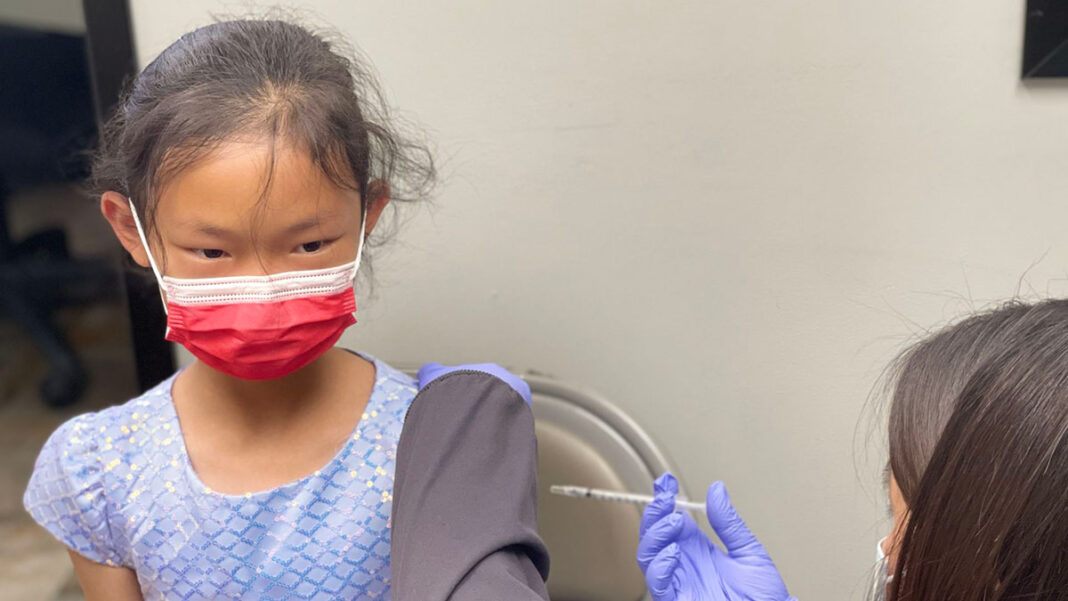
Almost half of Korean parents in San Francisco say they do not plan to vaccinate their children against the coronavirus as fears over potential side effects linger.

Kwon Soon Woo | The Miilk

Headline: 40% of Parents Not Vaccinated Against Coronavirus

Mr. Seo (41), who lives near San Francisco, was infected with Corona while having a meal with acquaintances last year. Later, his wife and two young daughters were also infected with the virus. Seo and his wife were vaccinated, but their two daughters were unvaccinated.

Still, Mr. Seo says he does not plan to vaccinate his two daughters in the future. He explained the reason, “Above all, I don’t think the vaccine is safe.” Compared to the general vaccine development process, the development period of the corona vaccine was faster, and there were fewer test subjects, so side effects are a concern.

“I think everyone in the family must be immune at this point because they overcame Corona once,” he said.

In speaking with members of the Korean community, it’s clear that there remains lingering distrust of the vaccine, especially when it comes to children and adolescents.

Read the full story at The Miilk (Korean version only)