

John Ferrannini | The Bay Area Reporter
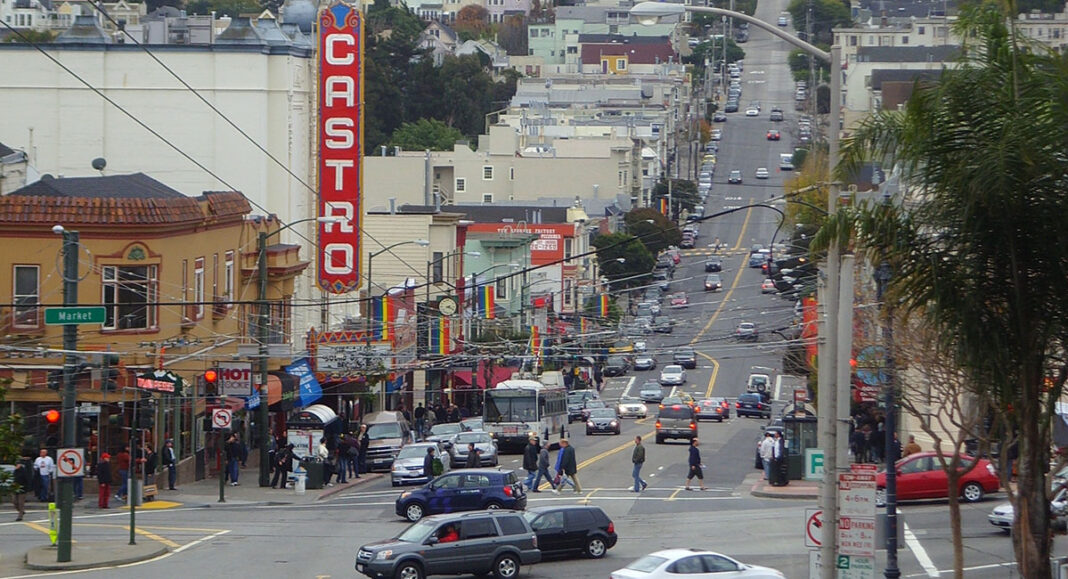
The beginning of the COVID pandemic in 2020 marked a dark turning point in the lives of many people around the world, and that’s as true of San Francisco’s LGBTQ Castro neighborhood as anywhere.
But even as the pandemic’s direct influence on day-to-day life ebbs and COVID enters its fourth year — President Joe Biden took heat last fall for saying “the pandemic is over” though hundreds of people continued to die on average each day — the aftereffects are hard to overstate.
“It has been a really crazy three years and the impact is still being felt but it’s harder to say directly COVID at this point because there’s so much on top,” Terry Asten Bennett, a straight ally who is general manager of Cliff’s Variety, told the Bay Area Reporter. “The war in Ukraine, the gas prices, it has an impact on a number of fronts. … I saw on the news people saying the supply chain will be fixed in six months and I laughed.”
The supply chain has been severely impacted by the pandemic, resulting in delayed shipments of many goods to retailers, car dealerships, and others.
‘I chose to get out’
Another effect of the pandemic was an exodus of people out of the Bay Area — 125,000 residents, according to the United States Census Bureau, which noted the San Francisco-Oakland-Berkeley metro area had the largest population percentage decrease of any major American region.
In San Francisco, 55,000 people — about 6% of the population — left, according to census data. This brought the city’s population to 815,201, its lowest level since before the 2010s tech boom.
Read complete story at The Bay Area Reporter