


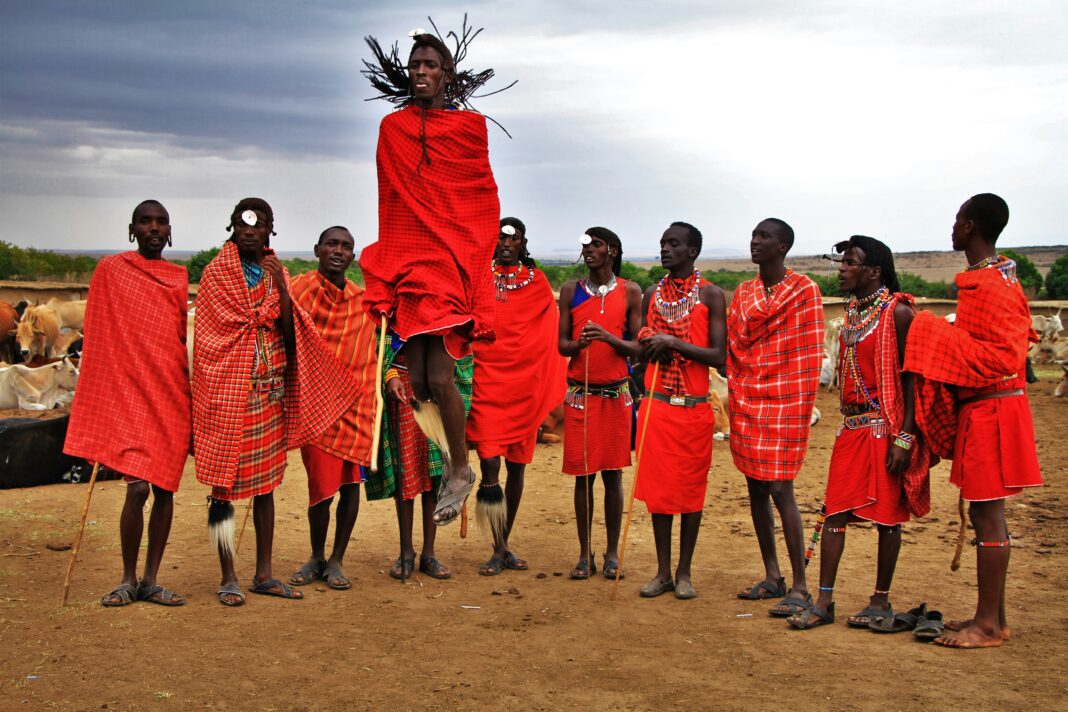
When around 70,000 Indigenous Maasai were expelled from their lands in northern Tanzania in 2022, it didn’t happen in a vacuum.
For years, the Tanzanian government has systematically attacked Maasai communities, imprisoning Maasai leaders and land defenders on trumped-up charges, confiscating livestock, using lethal violence, and claiming that the Maasai’s pastoralist lifestyle is causing environmental degradation—a lifestyle that has shaped and sustained the land that the Maasai have lived on for centuries.
This rise in criminalization, especially in the face of mining, development, and conservation is being noted in Indigenous communities around the world and was the key focus of a report released this week at the UN Permanent Forum on Indigenous Issues, or UNPFII, the largest gathering of Indigenous activists, policymakers, and leaders in the world.
Criminalization
“It’s a very serious concern because the Indigenous people who have been resisting the taking over of their lands and territories, they are the ones who most commonly face these charges and criminalization,” Victoria Tauli-Corpuz, former United Nations Special Rapporteur on the Rights of Indigenous Peoples told a packed panel on the topic on Tuesday. “There is a need to focus on criminalization because this is what brings fear to Indigenous communities and it is also what curtails them in their capacity to assert their right to self-determination.”
The report “Criminalization of Indigenous Peoples’ Human Rights” lays out the mechanisms by which Indigenous Peoples around the world are increasingly facing criminalization and violations of their rights with impunity. Indigenous land, subsistence and governance rights are often poorly implemented if at all, leading to violations when they intersect with government and third party interests, especially in extractive industries and conservation.
In addition to historical discrimination, a lack of access to justice for Indigenous rights holders—including environmental and human rights defenders, journalists, and communities—leads to higher rates of arrests and incarcerations. The report provides recommendations for UN bodies, states, and other relevant actors to better address this growing threat.
Read the full story at Indian Country Today.

