


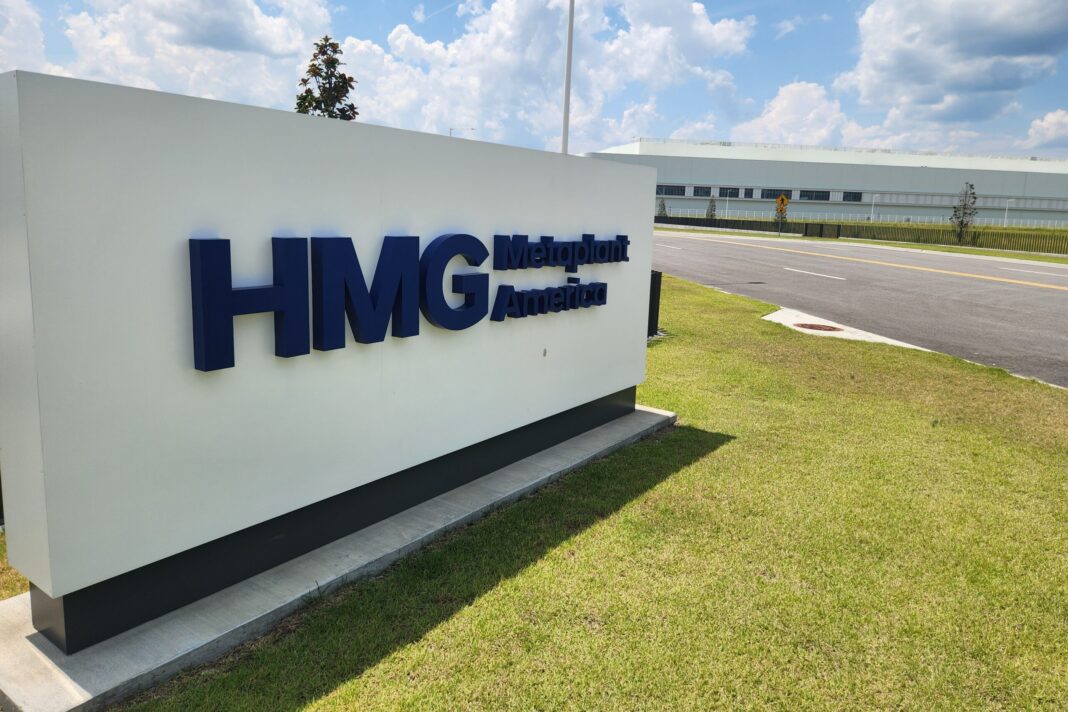
SAVANNAH, Ga. — Kim vividly remembers the Sept. 4, 2025 ICE raid on the Hyundai-LG battery plant in Georgia. Working in an office near the facility, she learned from a coworker that the plant was surrounded by helicopters and military-style armored vehicles.
She turned on the television and saw news coverage of workers being handcuffed and shackled. By the end of the day, several of her coworkers had not returned to the Savannah-area joint-company plant, which was still under construction at the time.
When Kim — who asked to be identified only by her last name — drove to the plant after the raid, she found the parking lot filled with hundreds of empty vehicles.
“It was like the aftermath of a war zone,” she recalled.
Working as a human resources manager for an LG contractor which mobilized staff to help detainees, Kim spent hours every morning over the week following the raid outside the Folkston ICE Processing Center seeking visitation with detained colleagues.
“Some days, visitation was denied, or abruptly canceled after an hour or two without explanation or notice,” she said.
Her duties also included retrieving abandoned vehicles, contacting detainees’ families in South Korea and packing personal belongings — tasks she described as painful.
Ultimately, more than 300 South Korean nationals were released and returned to South Korea after eight days in detention.
When construction of the battery plant was completed in early 2026, Kim sold her home in Georgia and moved to Texas to work at another technology facility.
She said she had little optimism left for her future in Georgia, noting that Texas had not taken similar enforcement actions against invited foreign investors.
She noted that the experience left a lasting impact, leading her to refrain from international business travel to Mexico despite holding legal U.S. immigrant status for years.
Aftermath of the ICE raid
One year after the enforcement action, construction on the Hyundai-LG battery plant is finished. The Hyundai Motor Group Metaplant America (HMGMA) appears fully operational, following executive announcements targeting increased production in Georgia.
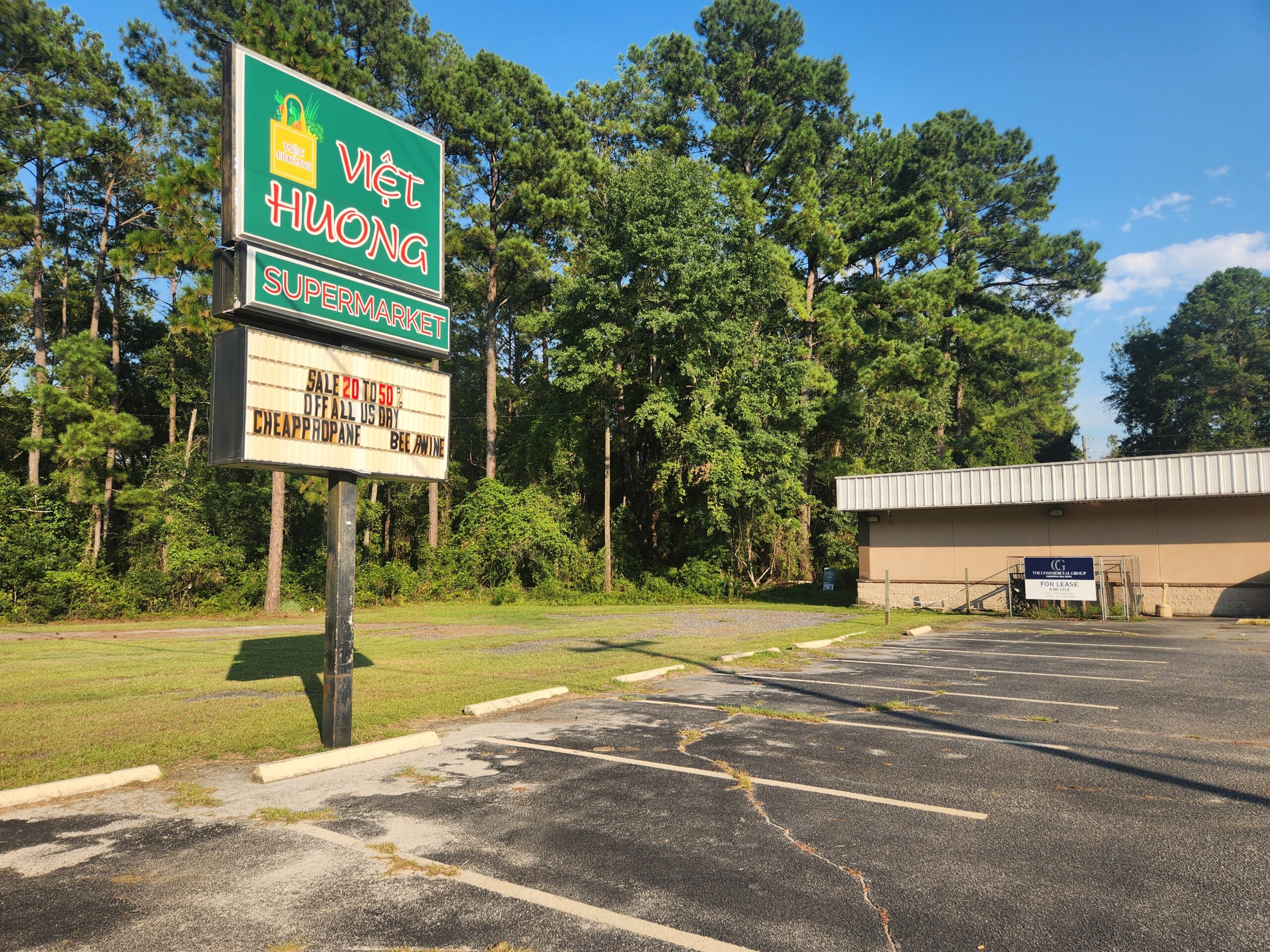
However, a few blocks behind the facility, an Asian grocery store that once sold kimchi and ramen to workers has closed. Local resident Morgan Foreman noted that the store shut down months after the raid.
Local Korean restaurant owner Moon — who asked to be identified by his last name — noted that abandoned and returned items, including boxes of Korean ramen, accumulated at customer service centers in local grocery stores after Korean workers suddenly departed following the raid.
The raid also heavily impacted non-Korean workers.
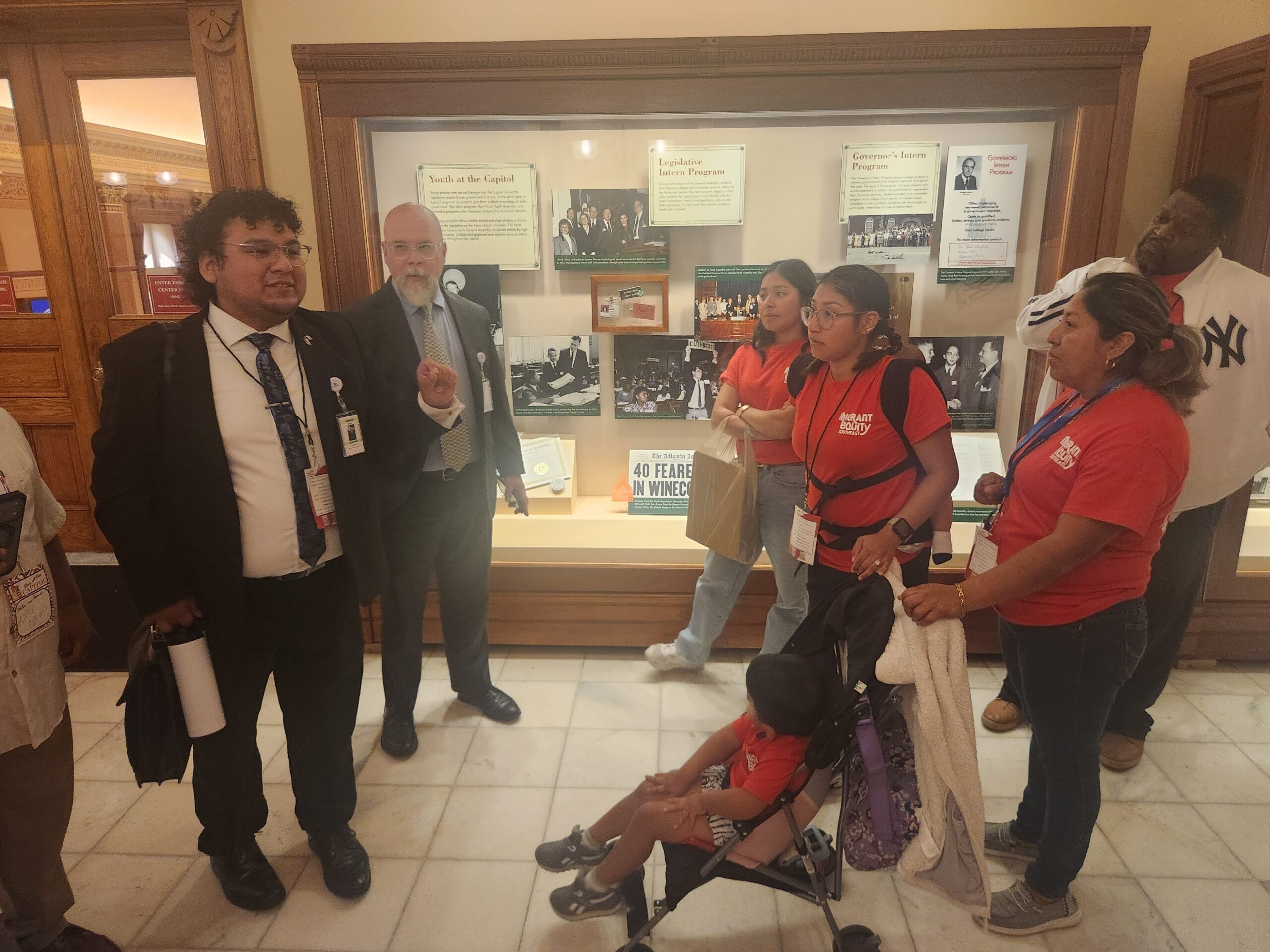
According to Jenny Miron of local non-profit Migrant Equity Southeast (MESE), at least 175 Latino workers — primarily from Venezuela — were detained.
Following the release and departure of the South Korean workers, only nine Latino workers are known to have been released through legal support from organizations like MESE. The remaining workers were deported, removed, granted voluntary departure or opted for self-deportation.
“Many Latino workers still remain in legal limbo and face pressure to leave the country,” Miron said.
She added that heightened ICE activity and police presence have contributed to financial hardship and legal uncertainty among affected families: “Community organizations have had to step in with direct support, including gift cards, food boxes, transportation and pro bono legal assistance to help families stay afloat.”
A continued atmosphere of fear
A year after the raid, ongoing enforcement activities continue to cause concern among workers in coastal Georgian communities like Savannah.
Miron noted that heavy police presence and ICE activity have created an atmosphere of fear, leaving some community members hesitant to go to work, shop for groceries or drop their children off at school.
Similar concerns have been raised in metro Atlanta.
Eulen Jang, policy advocacy manager at the Asian American Advocacy Fund (AAAF), addressed the DeKalb County Board of Education on Aug. 10, urging officials to protect students from ICE activities within the district.
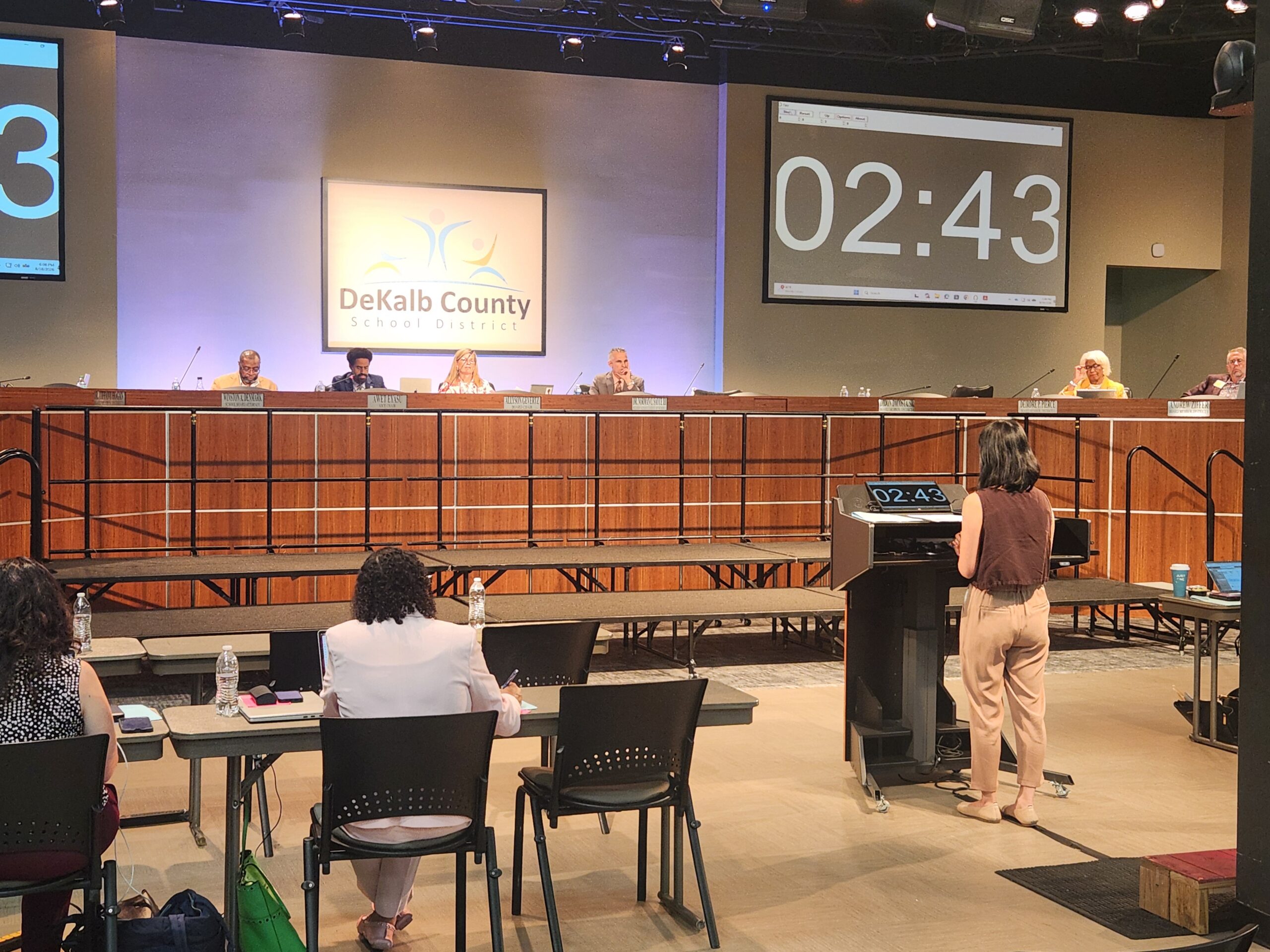
“This isn’t a political issue; it’s a student safety issue and an immigrant rights issue,” Jang testified.
She added: “There are many instances of ICE agents showing up at homes, worksites, and other locations without presenting a warrant, or using documentation that is legally insufficient. It can be intimidating to staff members if ICE shows up to a school while personnel are unclear about district procedures or how to verify legal authenticity.”
On Aug. 7, three days before Jang’s testimony, ICE announced the arrest of 1,226 individuals across Georgia as part of an enforcement initiative designated “Operation Safe Community — Atlanta.”
According to ICE statements, 720 of those arrested had prior criminal charges or convictions in the United States, while the remaining 506 had no criminal records but were cited for immigration violations.
The recent ICE operations in metro Atlanta have drawn public scrutiny.
On Aug. 11, WSB-TV reported that ICE agents mistakenly handcuffed a U.S. citizen, John Phillips, on a jet bridge at Hartsfield-Jackson Atlanta International Airport.
ICE later confirmed that agents were searching for a British national with the same name and date of birth.
Local law enforcement agencies have noted a lack of direct coordination with federal officers.
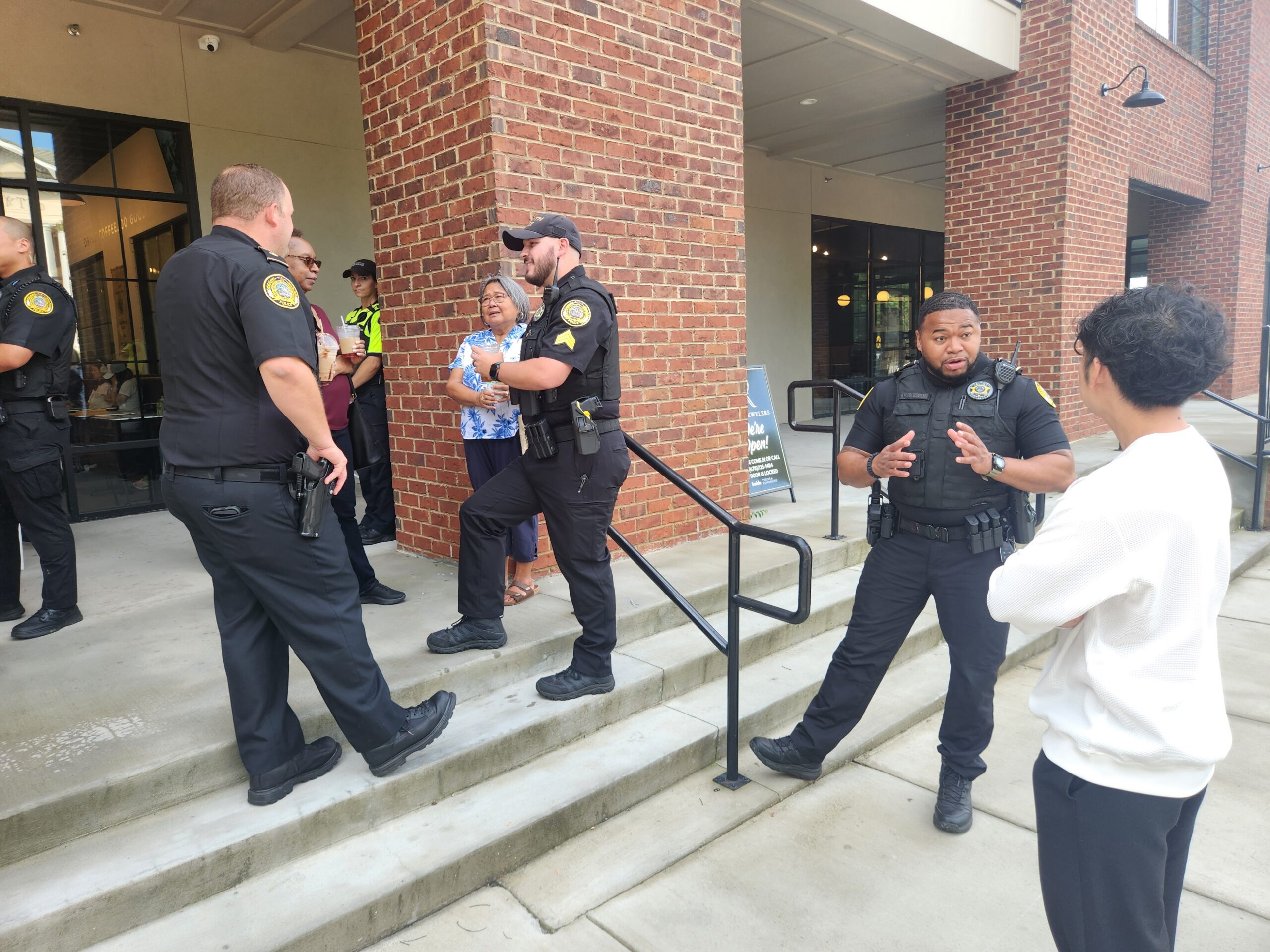
During an Aug. 12 “Coffee with a Cop” event with members of the Korean community, representatives from the Duluth Police Department stated that they had not been contacted nor consulted by ICE regarding recent arrests in metro Atlanta.
In both coastal Georgia and metro Atlanta, community members state that systemic issues remain unresolved a year after the ICE raid in Georgia.
Corey Foreman, a Savannah-area businessman and Democratic candidate for the state Senate, characterized the 2025 raid as more of a “media stunt” than a targeted immigration operation, noting that “many workers were on valid visas for technical setup rather than permanent immigration.”
He added that public updates and media coverage ceased shortly after the raid, leaving residents with little information regarding subsequent developments.
Miron expressed concern over the persistent “status quo” one year later, emphasizing the role of community support, social media campaigns and donations in providing essential food, transportation and legal assistance.
“Solidarity gives our immigrant communities hope,” Miron said. “Even as the political landscape changes daily, knowing there are people willing to offer support encourages individuals to speak out and help one another.”