


By Peng Shiqiao/Sing Tao USA
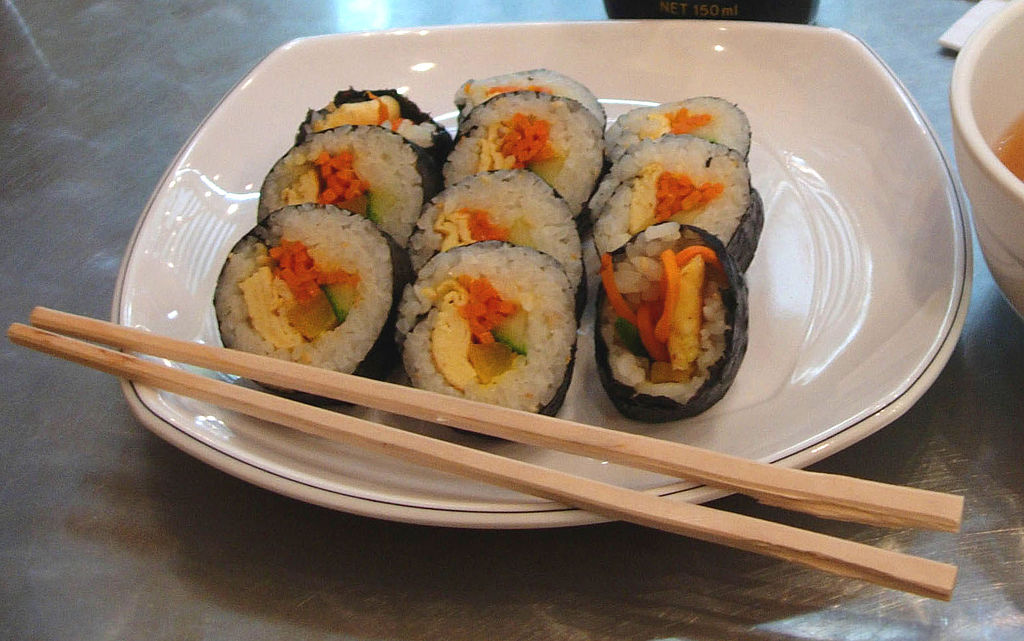
When she was in third grade, Instagram Korean food blogger Sarah Ahn took her mother’s lunch of kimbap to school. A classmate expressed disgust at her food, asking, “What are you eating and why does it look so disgusting?”
Sarah didn’t remember how she responded. It was the first time she realized her food was different. She felt embarrassed. Sarah went home and told her mother not to make kimbap anymore. From then on she always brought sandwiches to school.
For years, Sarah kept the incident buried in her heart because she didn’t want to make her mother sad. Until the beginning of this year, she shared on social media, “My mother was very sad and shed tears. But this is something that many immigrant children will experience.”
As Korean culture became very popular in the United States, Sarah increasingly admired her mother’s insistence on tradition. “I really wish I had appreciated Korean food and culture from the beginning.”
By sharing this story, Sarah hopes to let more immigrant children know that everyone eats and consumes a variety of things every day, and they must be willing to try new things before speaking casually. She pointed out that for school-age children to know this, they should first have a dialogue about diversity within immigrant families. “Children should be encouraged, make them feel proud, and bring their own delicious food to school so that others can understand how delicious these foods are. tasty.”
Read the full story here at singtaousa.com

This resource is supported in whole or in part by funding provided by the State of California, administered by the California State Library in partnership with the California Department of Social Services and the California Commission on Asian and Pacific Islander American Affairs as part of the Stop the Hate program. To report a hate incident or hate crime and get support, go to CA vs Hate.