


For thousands of Punjabi and Sikh families in the US, long-distance trucking is more than a profession. It is a means of economic survival, a pathway to independence and, for many immigrants, one of the principal ways of building a new life abroad.
Still, for Sikh truck drivers, the challenges of the job — long hours and isolation — are compounded by rising rates of discrimination and, in some cases, physical attacks.
Sikh drivers are highly visible. The turban, beard and other articles associated with Sikh identity make many Sikh men immediately identifiable. That visibility should never become a reason for discrimination.
But community advocates say it can make Sikh truckers particularly vulnerable when anti-immigrant or anti-Sikh sentiment rises.
That was the case in 2025 following a fatal Florida truck crash that claimed three lives. The driver, Harjinder Singh, is currently being held without bond and is facing multiple charges including vehicular homicide and manslaughter.
In the weeks following that tragedy, the Sikh trucking community saw a significant increase in harassment and anti-Sikh rhetoric.
The Associated Press reported that community representatives received reports of Sikh drivers being harassed, including an incident in which a Sikh man was reportedly ejected from an Oklahoma truck stop when he attempted to use a shower.
The concerns are not confined to the United States. Earlier this month, a Sikh truck driver in Canada was attacked during a work-related stop at an area Walmart in Edmonton.
These are the incidents we know of. There are almost certainly more.
According to a new study by Asian Americans Advancing Justice and the Sikh Coalition, hate crimes nationally are trending downward, except for incidents targeting the Sikh and Hindu communities. Incidents of bias involving Sikhs jumped 25% between 2024 and 2025, while those involving Hindus rose 7%.
That development should concern not only Sikhs but everyone who believes that religious freedom and equal protection under the law must apply to every community.
There are an estimated 150,000 Sikhs employed in the long-haul trucking sector, many of them concentrated along the West Coast and in California, specifically. Many say that nearly a year since the Florida crash, they continue to feel the repercussions, including new and more stringent regulations on immigration, work authorization and driver’s license eligibility.
Reporting by CalMatters in late 2025 showed some 61,000 truck drivers facing the loss of their licenses following an Executive Order by President Trump prohibiting specific classes of immigrants — including refugees, asylum seekers and DACA recipients — from obtaining licenses.
It is important to remember what Sikh truck drivers contribute. They represent a critical part of the supply chain that keeps supermarkets stocked, farms connected to markets, factories supplied and communities functioning. Together, their labor contributes billions each year to the national economy.
For Sikh immigrants, trucking provides an opportunity to earn a living while maintaining religious practices such as wearing a turban and keeping an uncut beard. The profession can also provide a degree of independence that some immigrants may not find easily in other sectors.
It is imperative that we as a society ensure these drivers can work without fear.
One place to start is with truck stops. Drivers eat, shower, sleep, refuel and rest at these locations. Operators should have clear anti-harassment policies, functioning security systems, adequate lighting, and accessible reporting mechanisms and procedures for dealing with threats or assaults.
Drivers should not have to wonder whether stopping for a shower, meal or night’s rest could expose them to abuse.
Sikh organizations, trucking associations and community leaders also have an important role. Drivers need accessible information about:
- How to report hate crimes
- How to document harassment
- Employment and licensing rights
- Immigration-related legal assistance
- Insurance and accident procedures
- Emergency contacts
- Mental-health and family-support resources
- What to do after an assault or threat
- How to distinguish a routine traffic dispute from discriminatory targeting
The Sikh Coalition’s creation of a Punjabi-language trucker helpline demonstrates the importance of making assistance available in a language drivers are comfortable using.
Still, one of the greatest dangers is under-reporting. A driver who is threatened may decide that reporting the incident will create more trouble. Another may believe that the police will not take the matter seriously. A newcomer may not understand the legal system. Someone working under financial pressure may simply continue driving.
That silence can allow harassment to become normalized. Every credible complaint deserves to be documented and appropriately investigated.
Governments in the United States and Canada should recognize the special vulnerability of long-haul immigrant drivers. Law-enforcement agencies should ensure that officers understand Sikh identity and can recognize potential anti-Sikh bias when investigating assaults or threats.
As important, political leaders should understand the consequences of rhetoric that turns an individual case into an attack on an entire community.
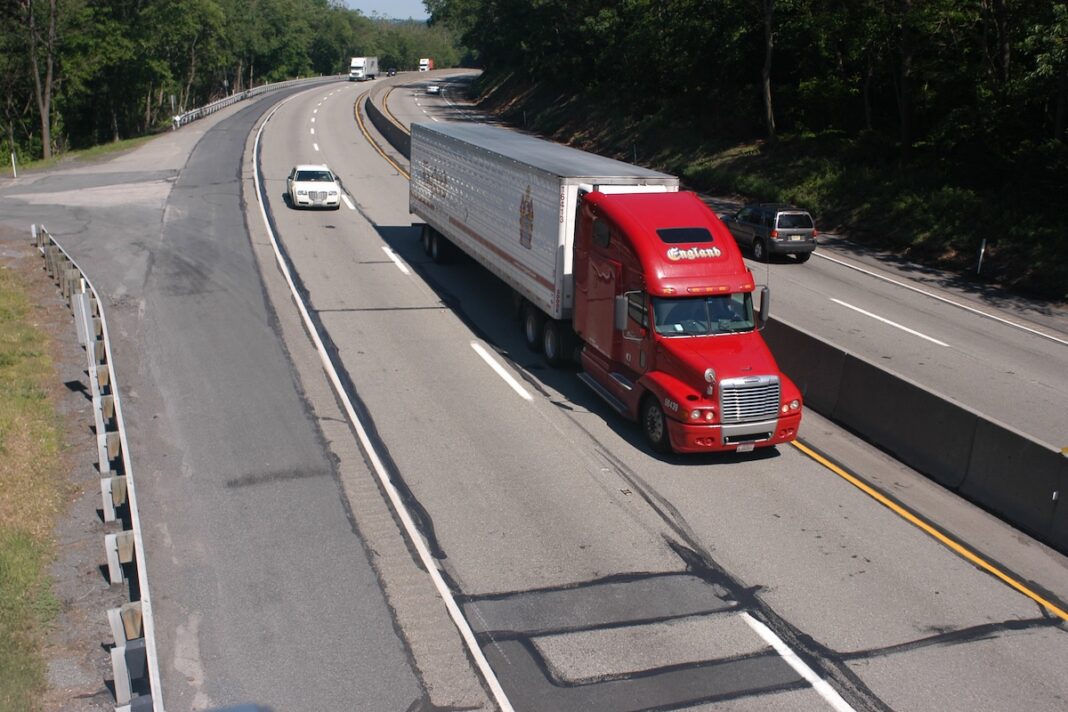
The next time a large truck passes on an American or Canadian highway, it is worth remembering that there is a human being sitting behind that wheel, someone who may have left family thousands of miles away, someone who has maybe been driving since before sunrise hauling food that will reach our grocery stores or agricultural products that will feed communities.
They deserve the same dignity and protection as every other worker.
The road ahead is already difficult enough. No driver should have to travel it carrying the additional burden of fearing attack for who they are.
Satnam Singh Chahal is Executive Director of the North America Punjabi Association, where a longer version of this story first appeared.